Starter homes Kanaalpark, Leiden

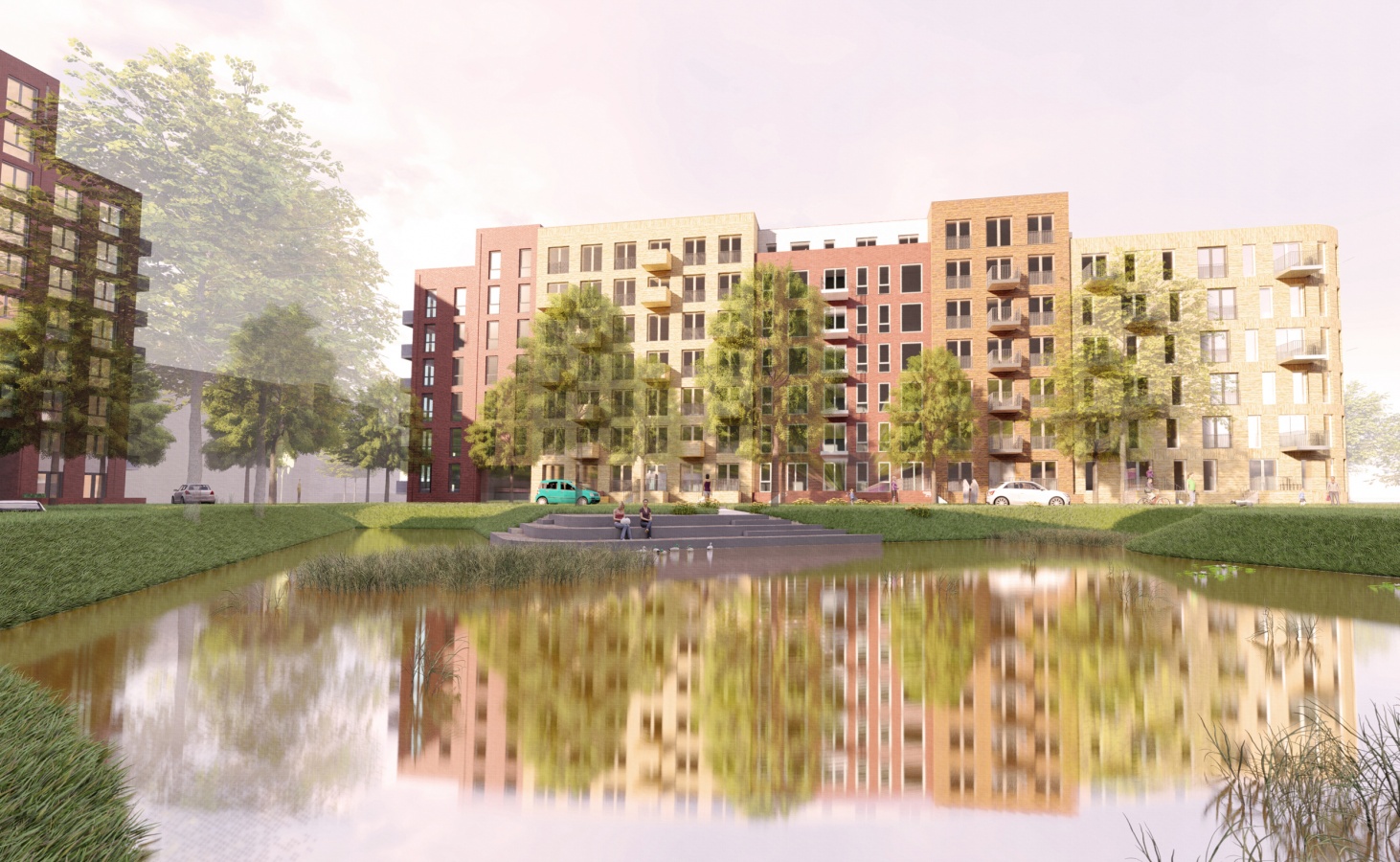
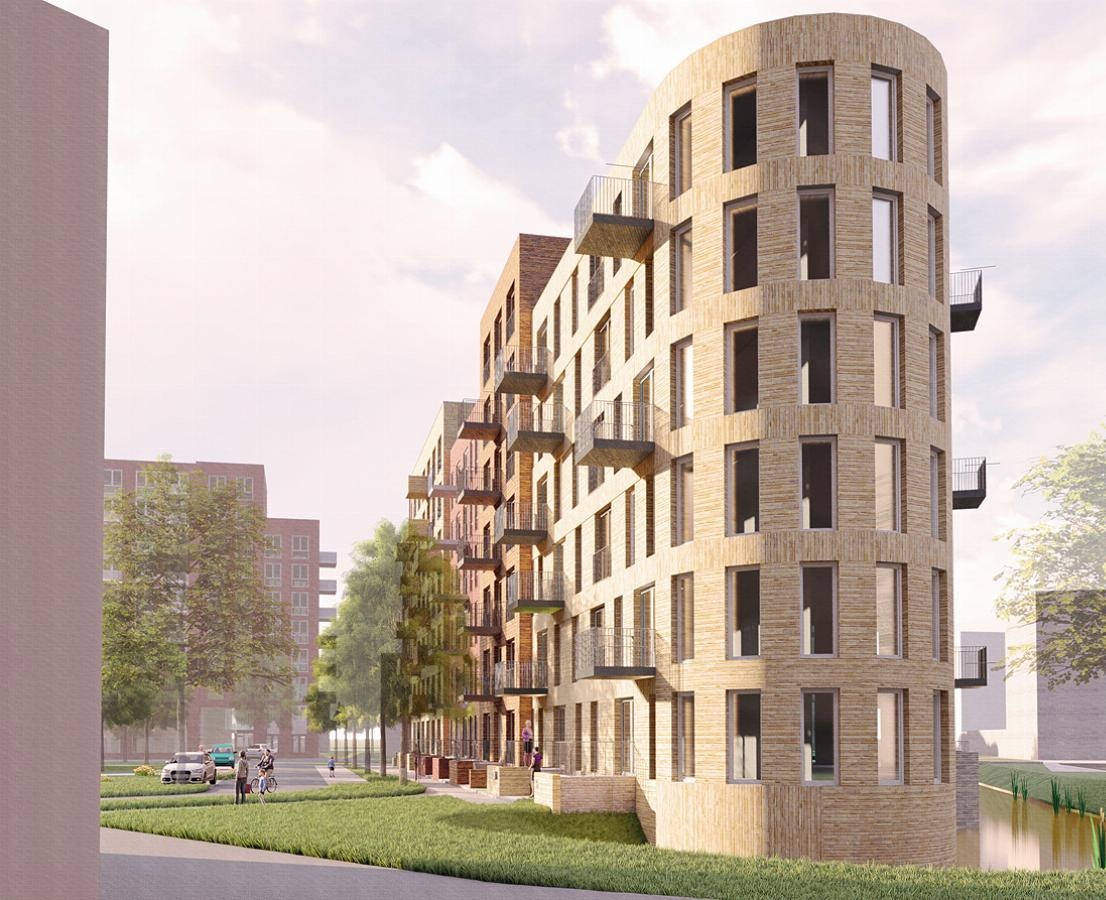
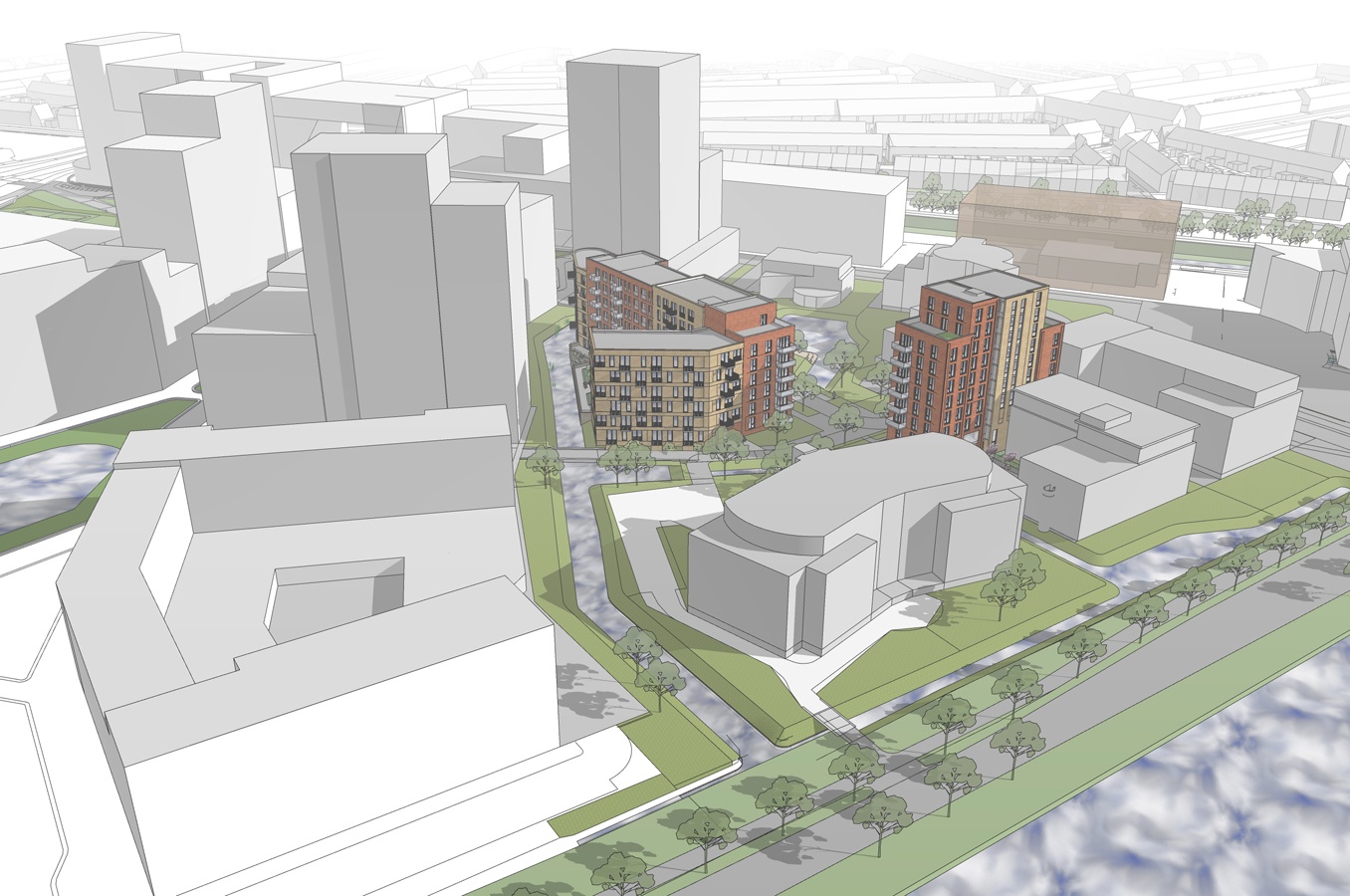
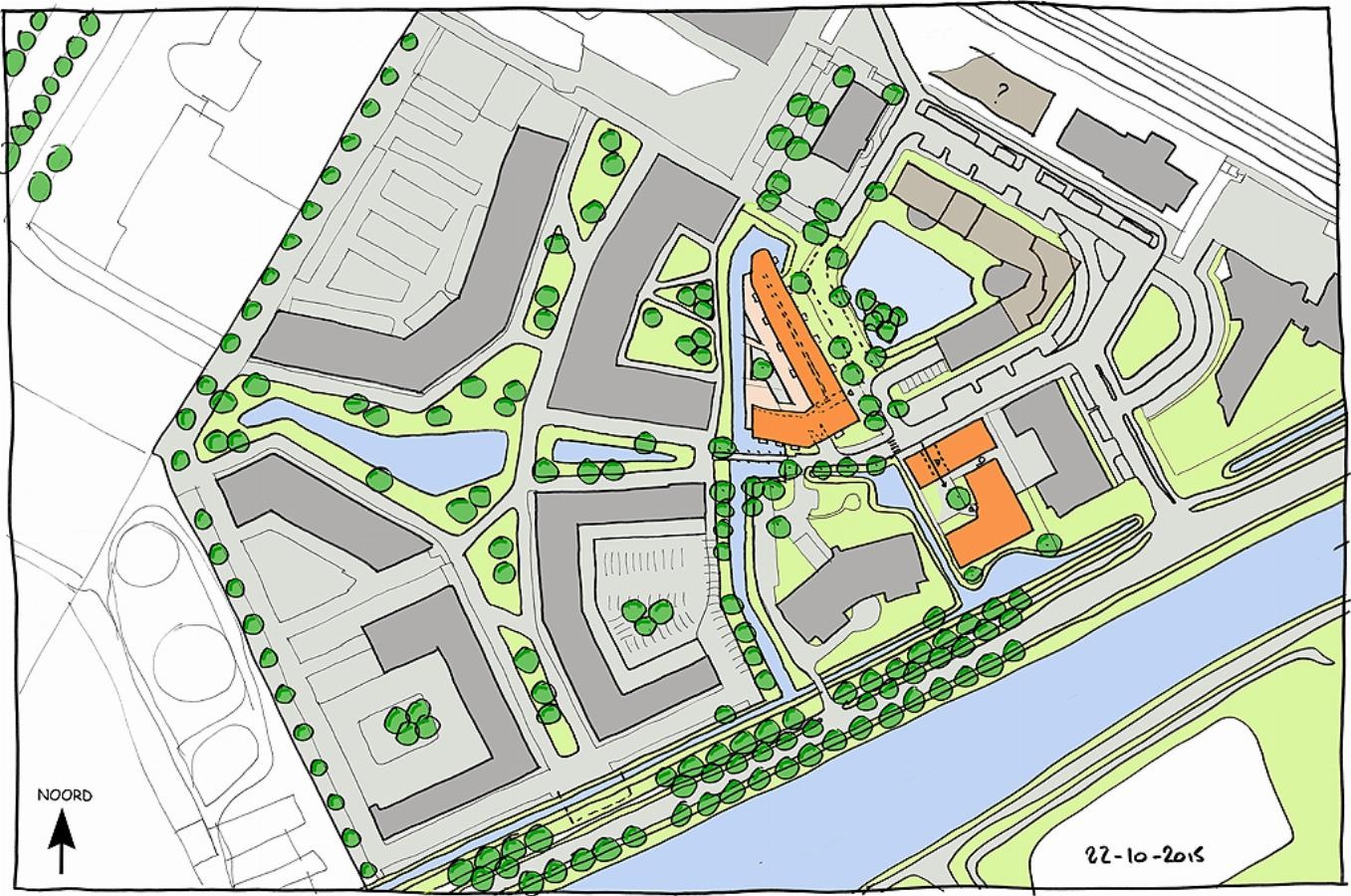
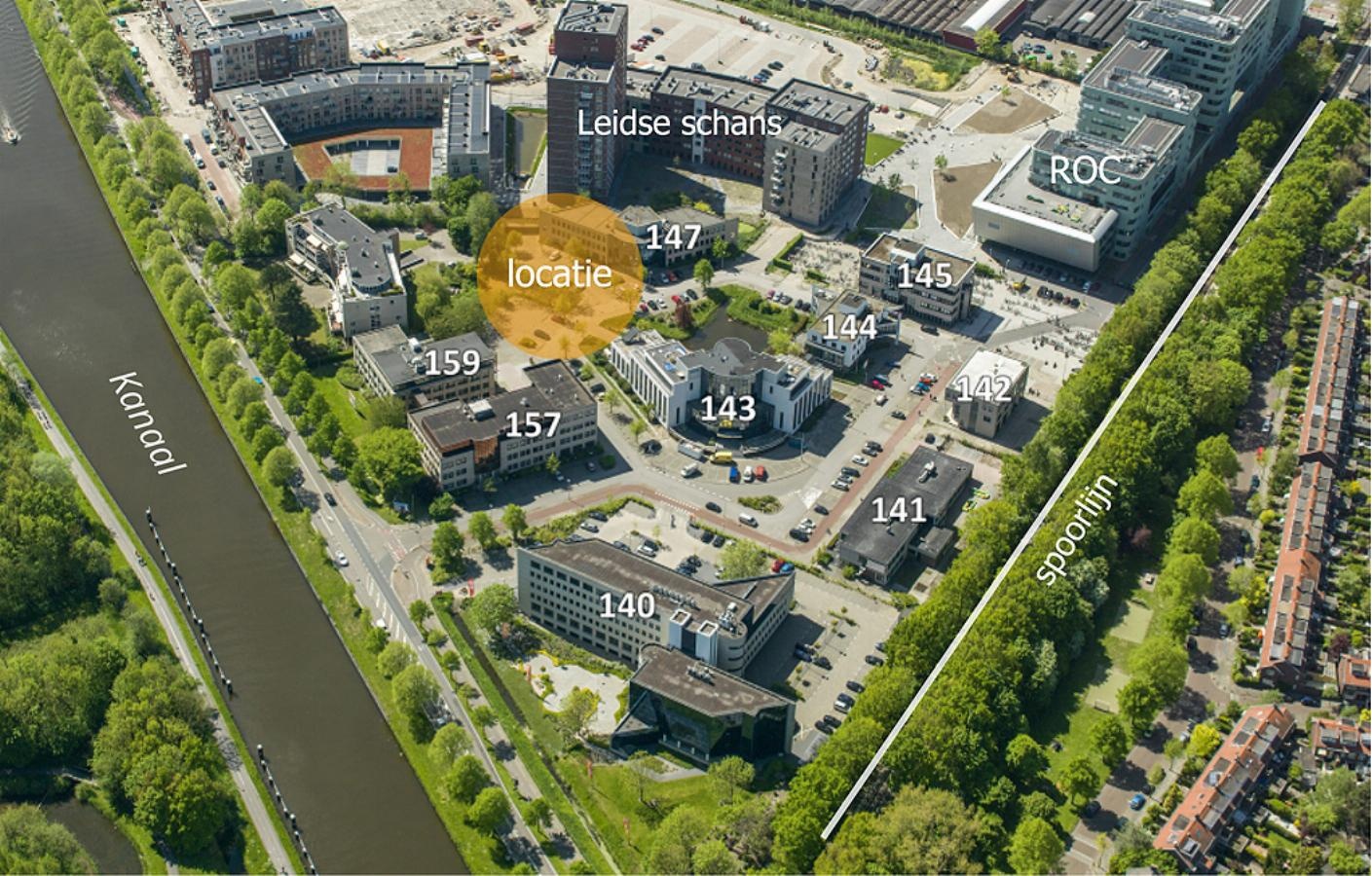
The Kanaalpark is an office area along the Vliet on the south side of Leiden. Here, two apartment buildings are being built for starters.

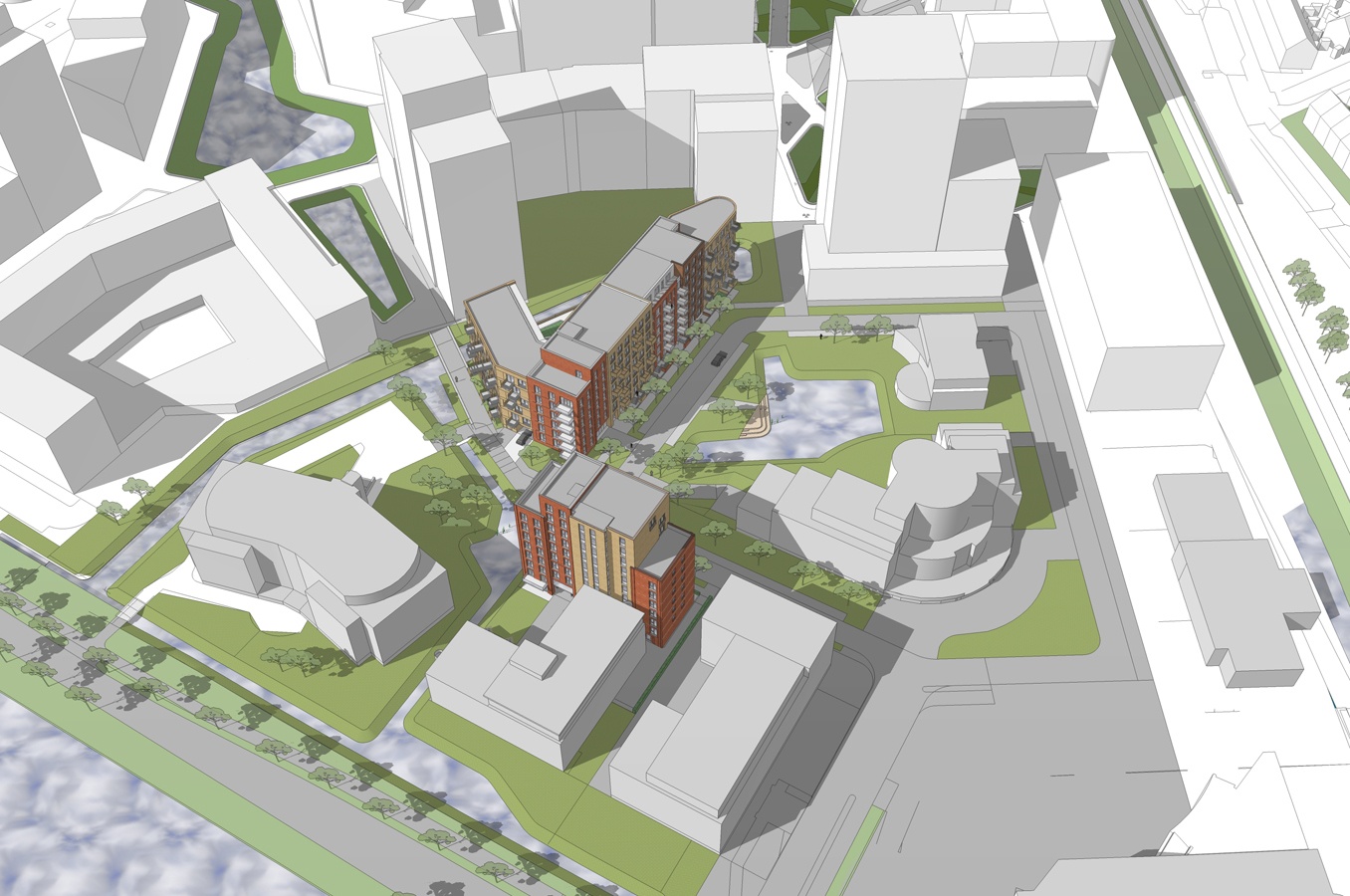
Many offices in this area have long been vacant and the area looks messy and dated. The municipality of Leiden has challenged developers to take the initiative to transform the site into a high-quality living-work area. That glove is being picked up. Some offices are being converted into apartments, others are being demolished and replaced by residential buildings. Viable office owners are making a quality improvement. The municipality has drawn up an ambitious plan for the redesign of the public space.

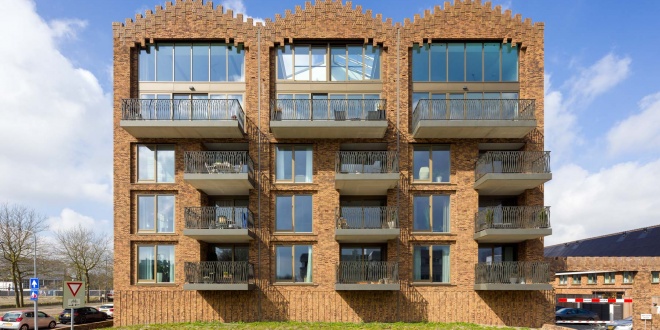
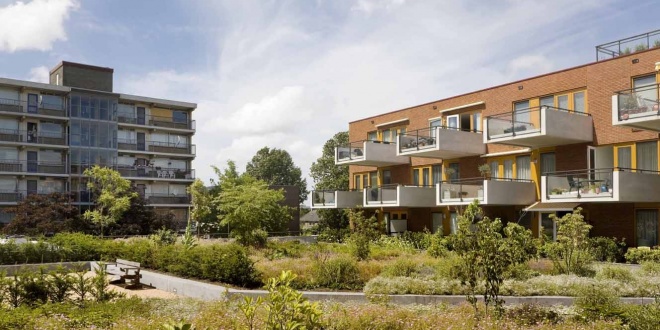
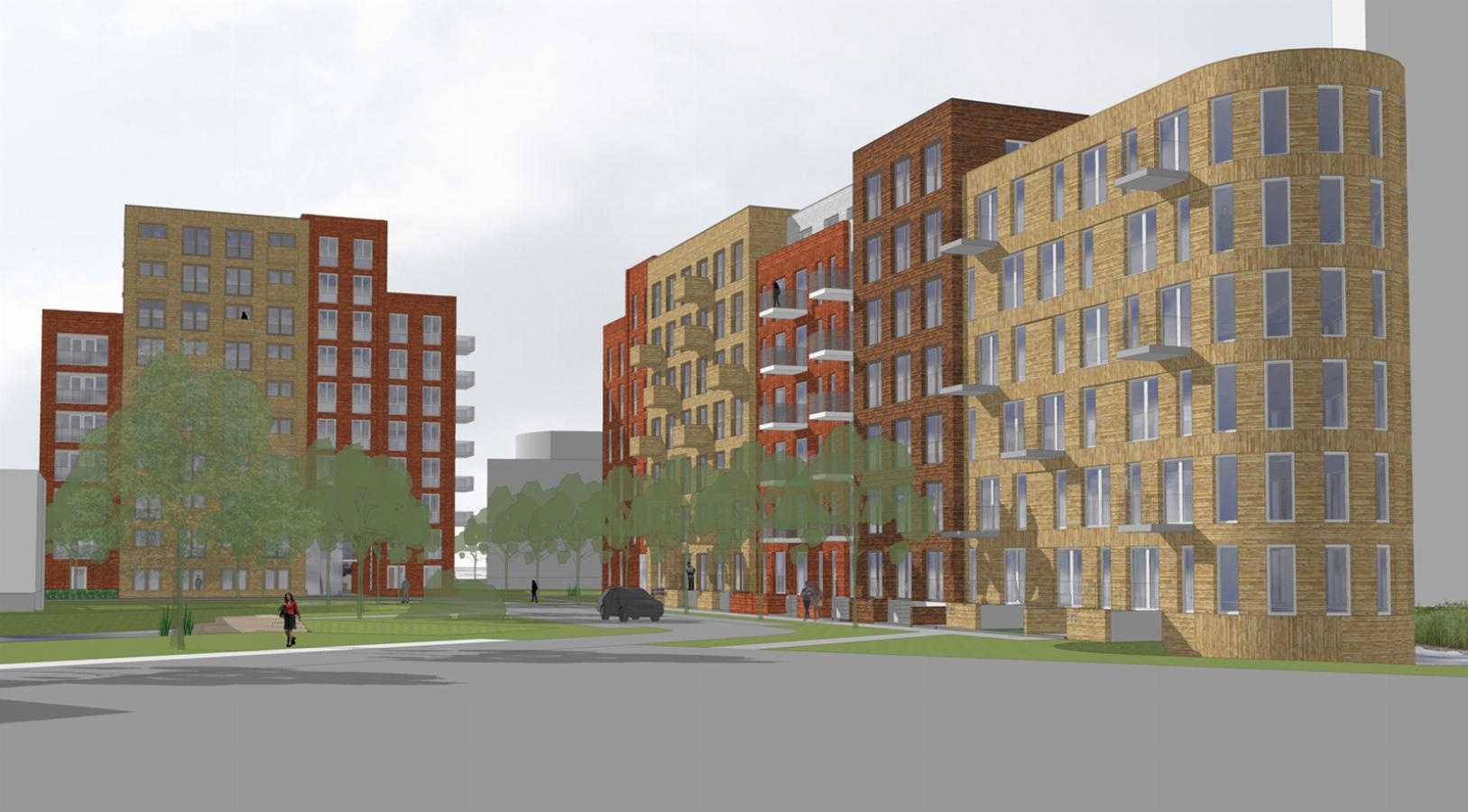
Commissioned by the Leidse Vastgoed Maatschappij we have designed two apartment buildings for starters on the labor market. Block 1 with 88 apartments is being built on the site of an old office building. Block 2 with 41 apartments will be built on an existing parking lot. The buildings have been carefully integrated into the urban design and complete the structure of closed building blocks. Height accents are determined in conjunction with the environment. The blocks are architecturally parceled, in line with the already completed housing construction.

Architects Gerrit-Jan van Rijswijk, Krijn Tabbers
Client(s) Leidse Vastgoed Maatschappij
Related

A total of 269 houses and apartments are being built by various parties in the Stelt Zuid, part of the “Waalsprong” near Nijmegen. De Stelt Zuid occupies a special position as a green enclave between the village of Lent and the river. Four combinations of architectural firm and developer work together here on a new residential area, with a central orchard and the dike zone as structuring elements.

Commissioned by BPD, we made the design for 12 dike houses in the dike zone. The houses have a living area of ​​approximately 190 m2 and all have a fantastic view from the living floor over the Waal and the city of Nijmegen. There is parking at the bottom of the houses, on the first floor the master bedroom, kitchen and backyard are situated on the dike, on the second floor the living room with a view of the Waal and the third floor can be set up as a sleeping and / or work space. The houses are gas-free and the roof is fitted with solar panels.

The height differences of the dike area are reflected in the gardens and the transition to the struing area along the dike. From the terrace of the houses you can walk towards the banks of the Waal.


The houses were put on sale in December 2019.

Villa Meijendel takes its name from the nature reserve in which it is located, where a forest meets a valley of dunes. The house is constructed from concrete and set into the side of a sandy slope. The building's design aims to create a dialogue with its surroundings, both through the way the form and materials engage with the landscape, and through the use of glass to provide views out from and into the house. 

The boxy geometric structure is entirely clad in charred timber, creating a textured black surface that appears different depending on how sunlight falls on it. The exterior finish, inspired by the ancient Japanese shou sugi ban technique, also helps to preserve the wood. Sometimes the house is almost invisible against the dark edge of the forest, sometimes it sparkles in the sunlight because of the glittering charred wood, as such forming a background for the play of shadows of tree trunks and branches. The villa hides and reveals itself in the landscape.

The property has its entrance on a middle level accommodating an office and two bedrooms. Stairs ascend to an open-plan kitchen and living space, and drop down to a master bedroom and gym room.

The living room features a full-height corner window that looks out through the trees towards the dune valley. A lower window facing to the rear and a large glazed surface lining the adjacent double-height circulation area face out onto the forest. At the far end of the first floor, sliding glass doors lead out from the kitchen onto a terrace.

The material palette –concrete, steel and anodised aluminium– was chosen to complement the tones and textures of the surrounding environment. Each material is applied in a raw, untreated form. Internally, the walls are finished with smooth concrete, while the rough-sawn Douglas fir beams supporting the ceilings feature a distinctive grain.

West 8, Adriaan Geuze, is responsible for the garden design.

Photography is by Christian van der Kooy

The plan ‘de Biezenhof’ is part of the new residential area ‘Waterrijk Woerden’ and is situated along a natural watery region. The urban scheme of ‘Waterrijk Woerden’ was designed by West 8 and refers to the traditional Dutch water cities such as Delft and Leiden. The design is made in collabiation with Klunder architects. Almost every dwelling is individual and has a specific connection to the water.

The plan of Biezenhof is divided in two parts: there is one block of family houses around a courtyard on the edge of the lake, and there is a row of water houses and apartments along a canal.

The buyers of the houses could choose between several types of houses as well as between four architects. Due to the possibilities in combining type and architect, not one house is the same. Every house has a singular character: the lake houses have a beautiful view on the lake, the street houses have a garden, and the canal houses enclose big terraces. In the public space there are a few parking places, the majority of parking places are organised in garages.

The houses designed by Knappers are characteristic because of the huge roof overhanging the façade. This contributes to the shelter-against-the water identity of the houses, and refers to the greenhouse glass constructions in the low lands. At the street side these houses are made of brick, which gives them a closed and open (to the light and the water) individuality.

The plot Oeverpolder is located in the central part of the Hoornespolder, a 1960s reconstruction area. In recent years, this district has undergone a transformation, where living is more focused on the public space and a clearer separation is made between public and private.

In the design for the new-build location, a U-shaped courtyard building was chosen, which in terms of architecture and grain size connects to the existing buildings. The green structure of the neighborhood is reinforced with the design. The transition between the residential building and the public space has been carefully designed. There are no garages, storage rooms and blind facades in the public space. The U-shaped building contains a total of 52 apartments of 53-88 m2. The building on Hoorneslaan has 4 storeys, the other two sides are 3 storeys high. The houses are all accessible via (widened) galleries in the courtyard, parking is partly in the courtyard and partly on public land, on the street.

The masonry architecture is in line with previous transformations on Hoorneslaan, but also fits in well with the existing modern reconstruction architecture of, for example, the adjacent Pniëlkerk. Due to the sloping boundary of the plot on Hoorneslaan, the building block has been given characteristic staggered façades here. It is an all-round designed building that at the same time has a new and unique character, but also fits well in the neighborhood.