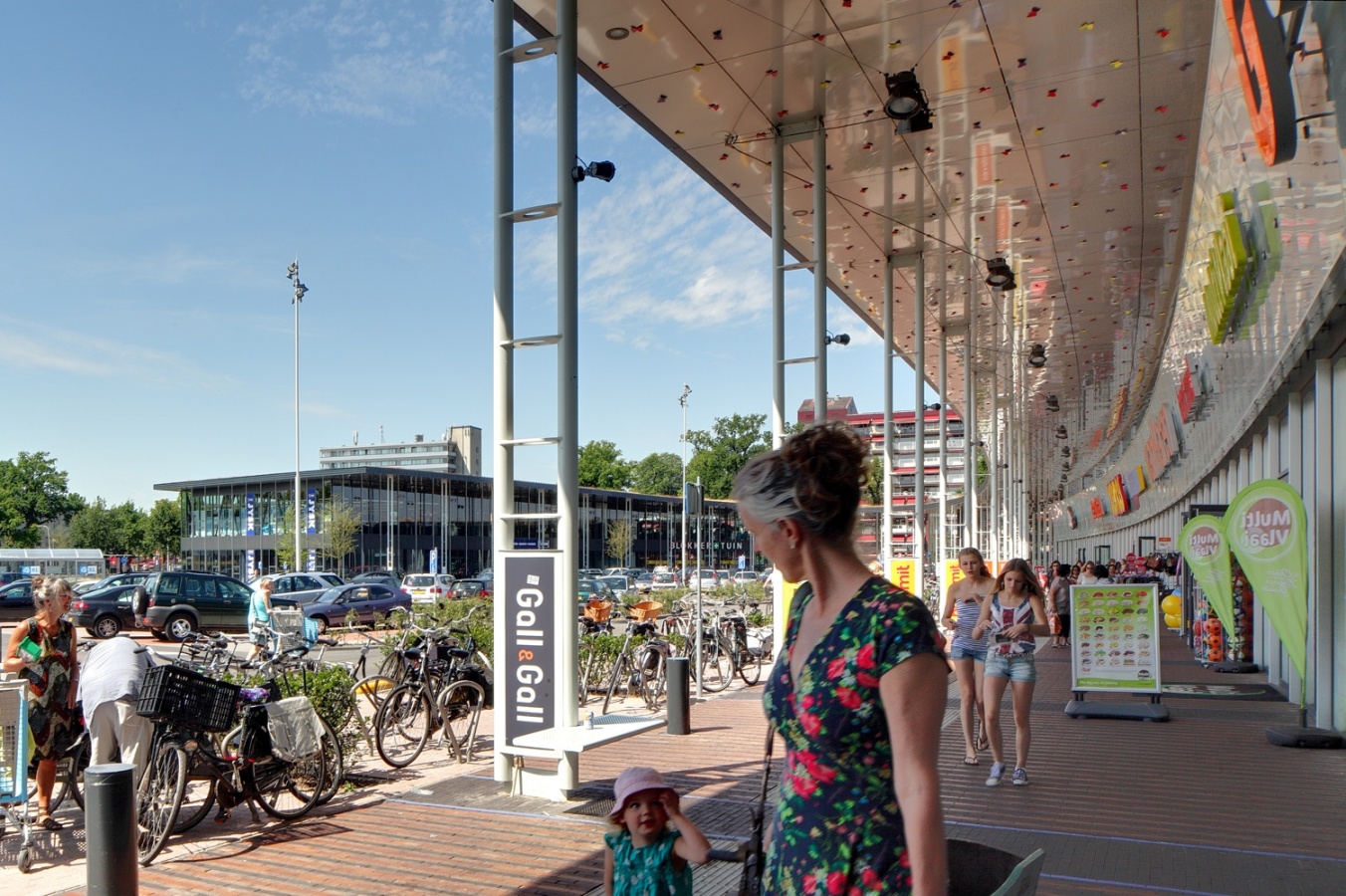
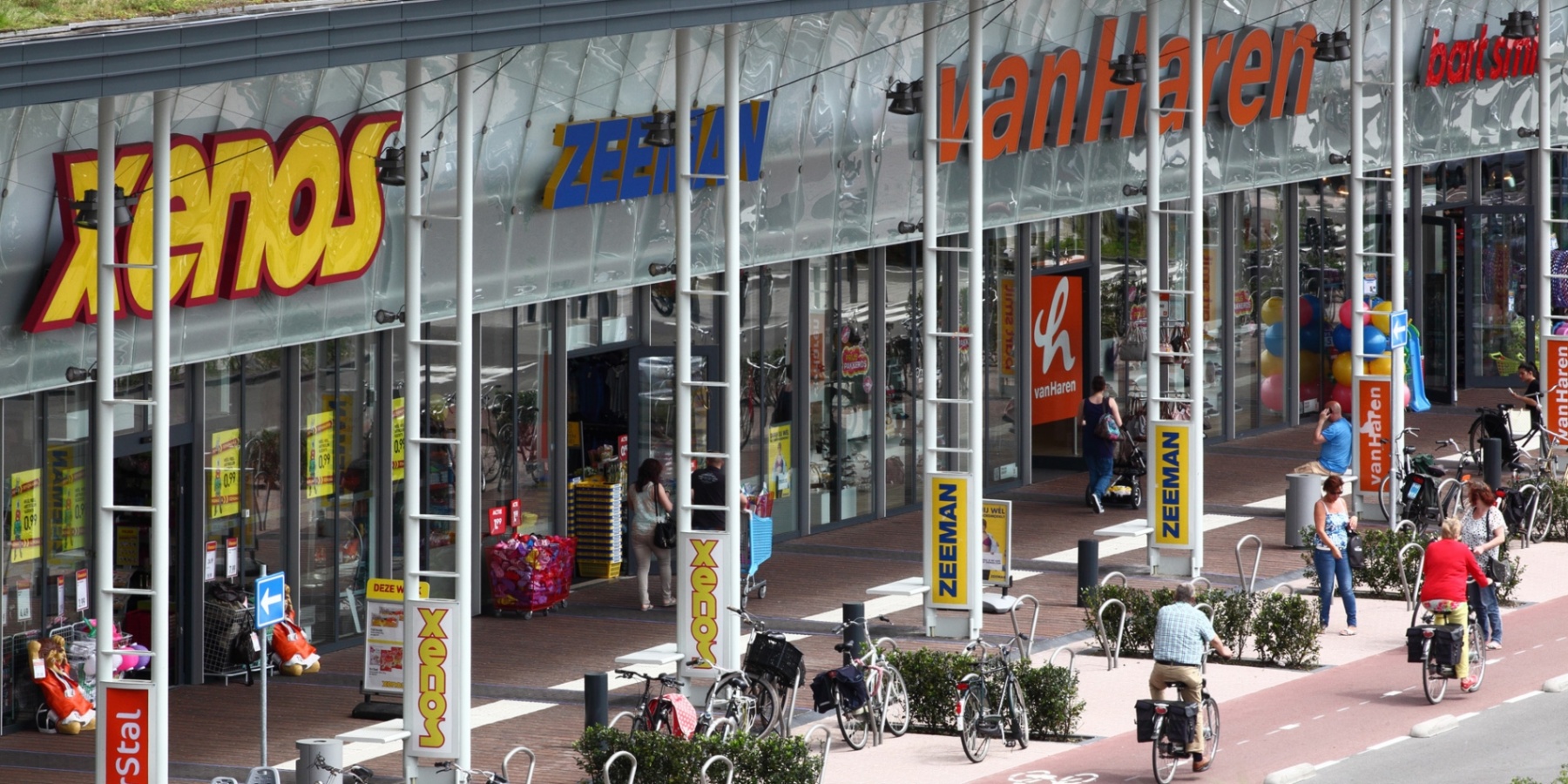
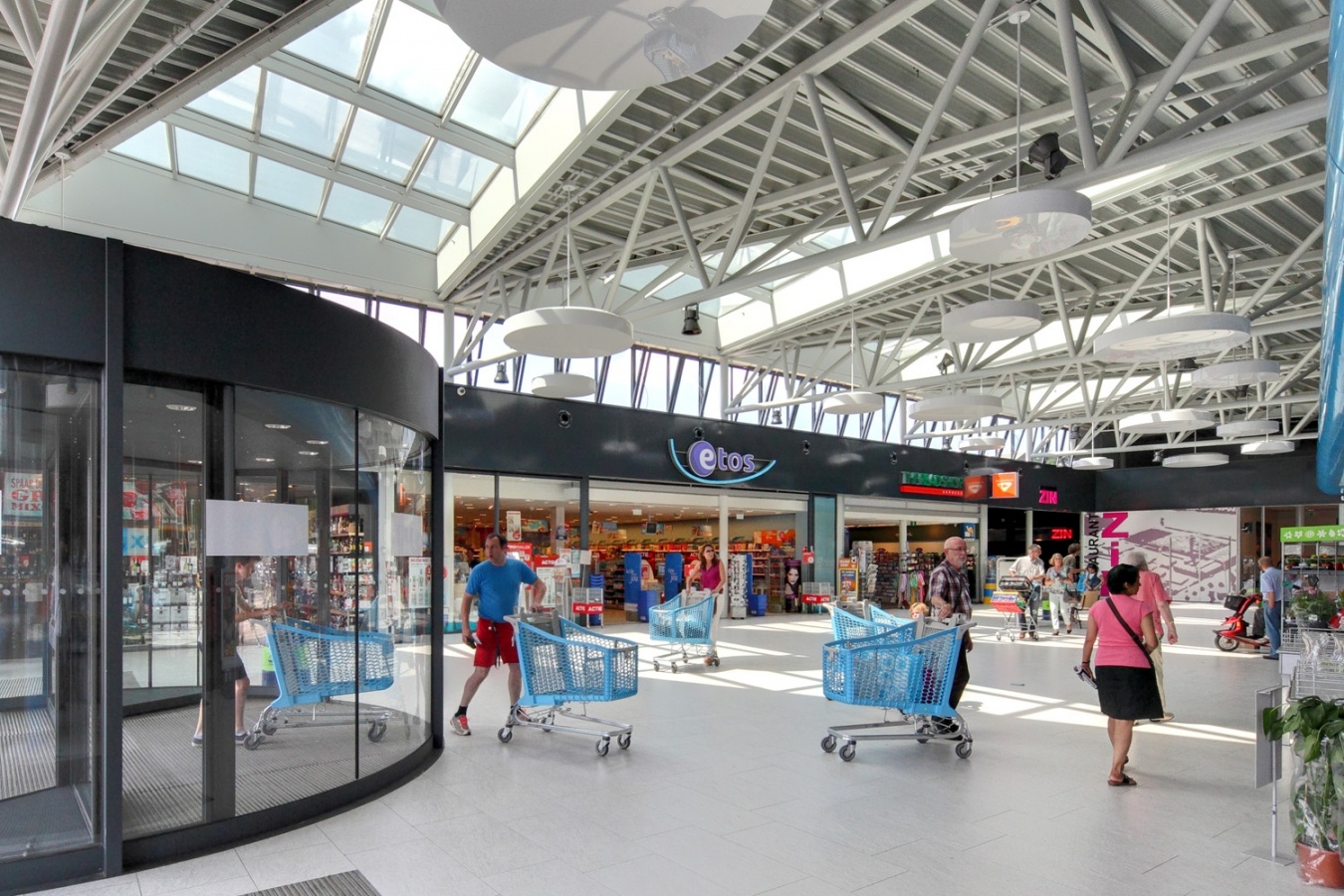
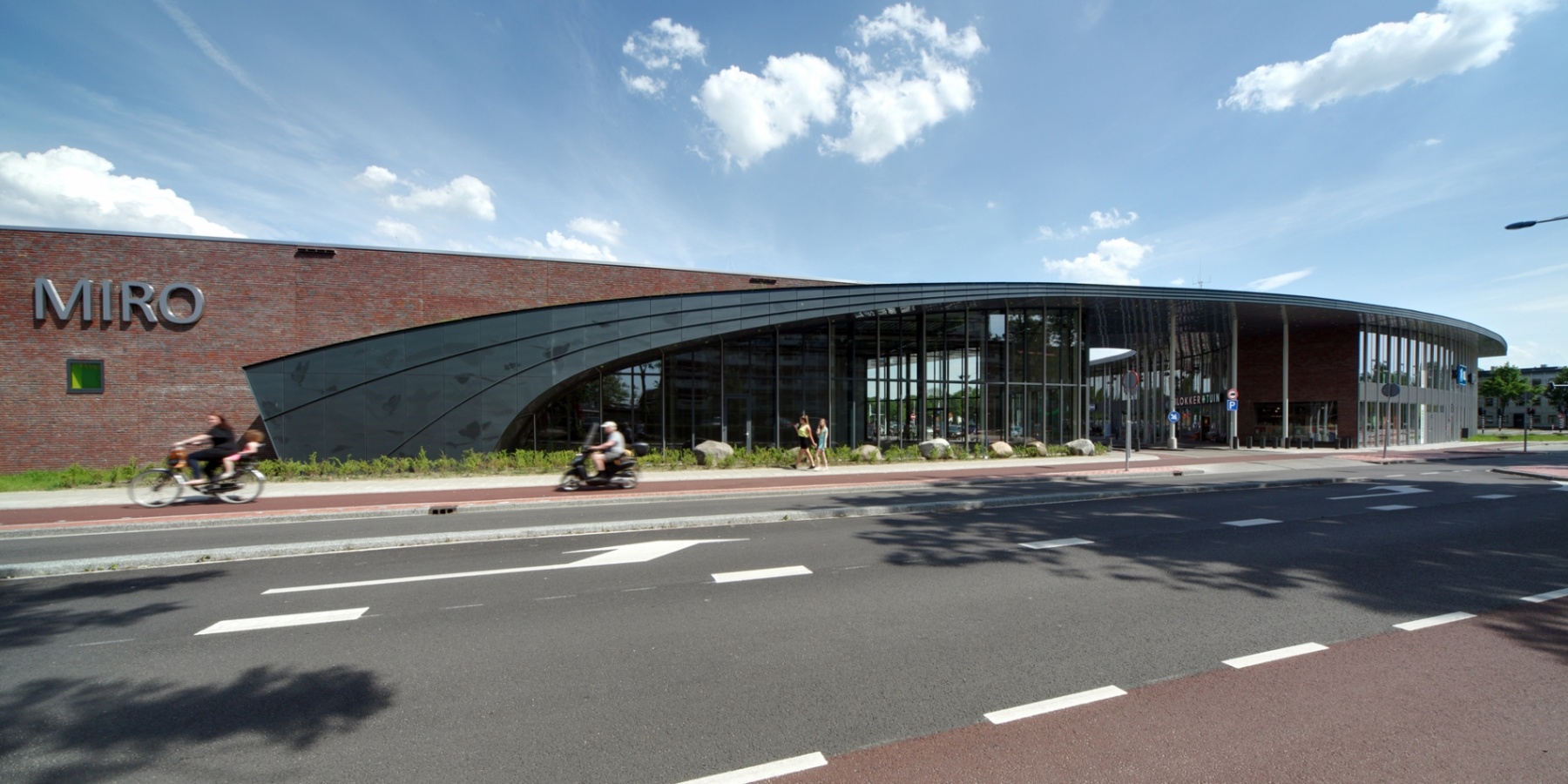
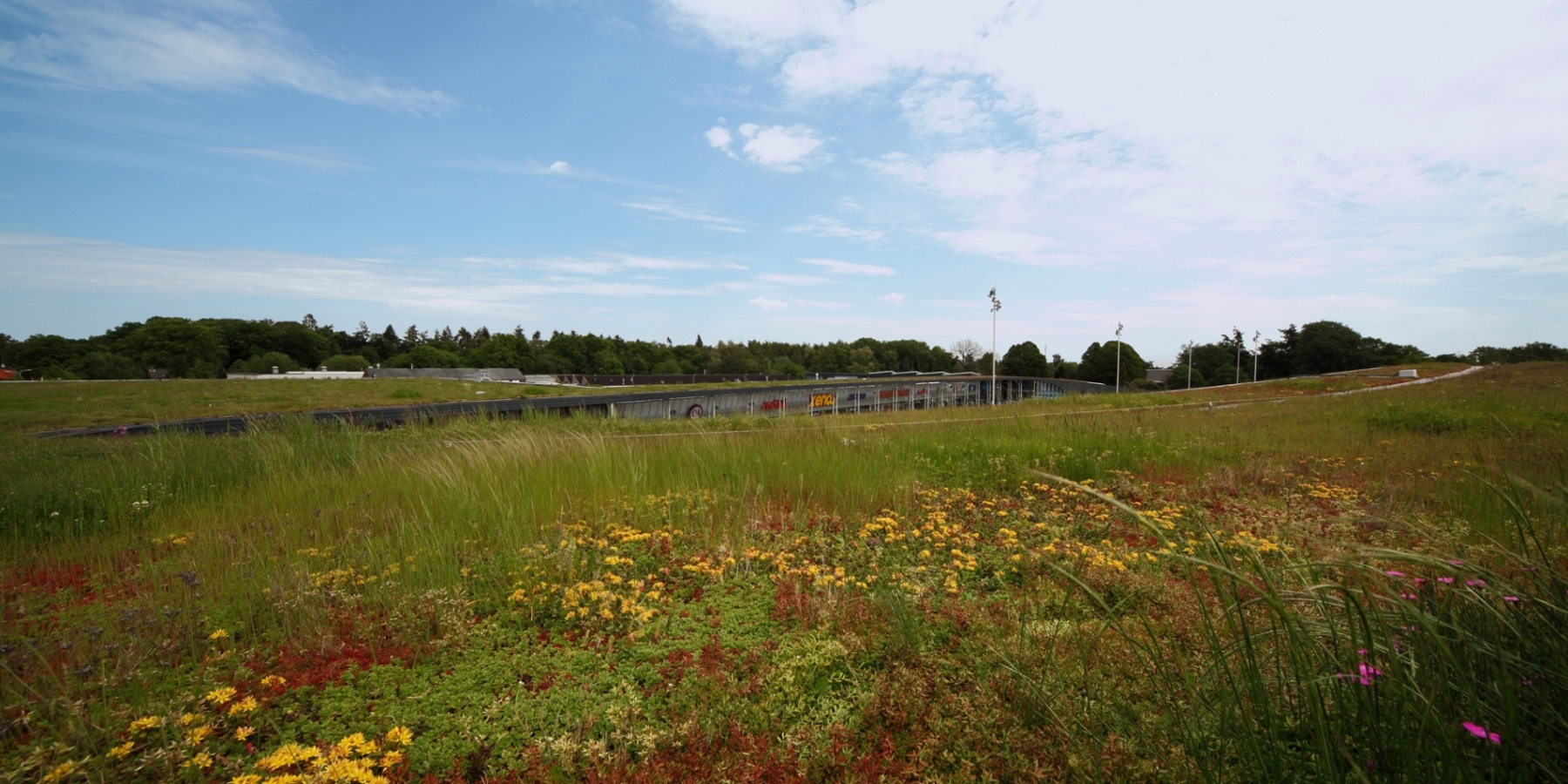
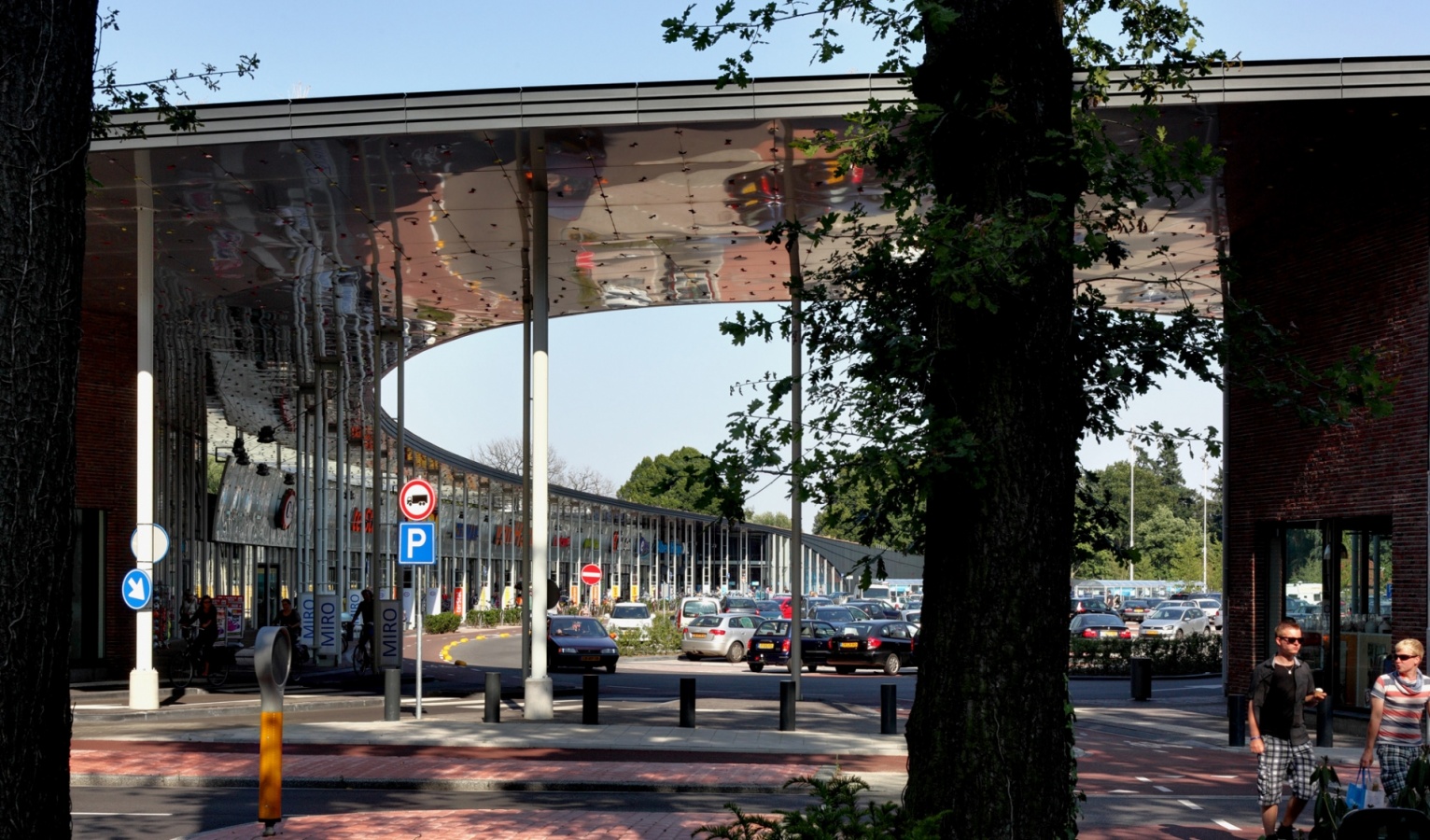
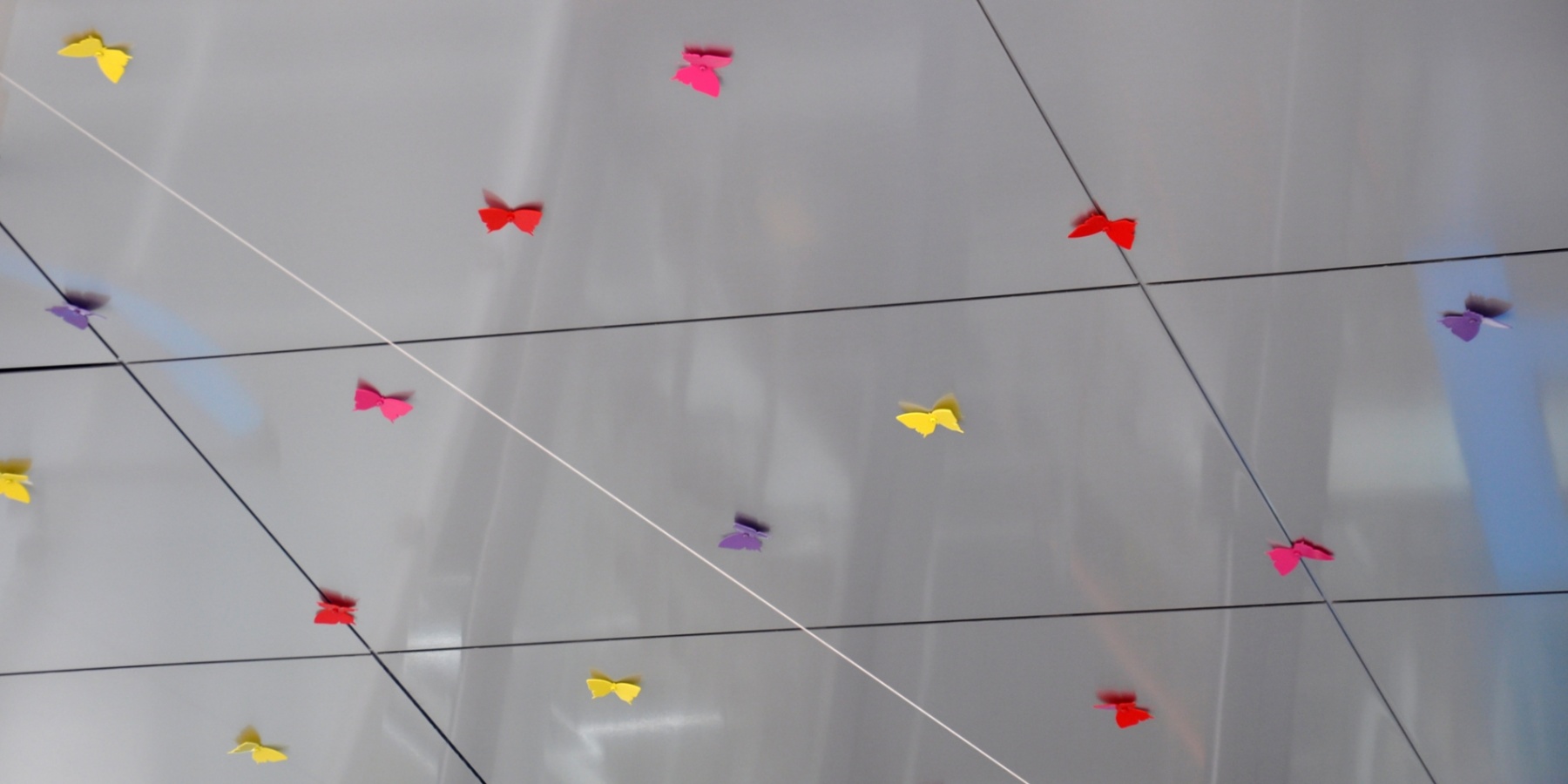
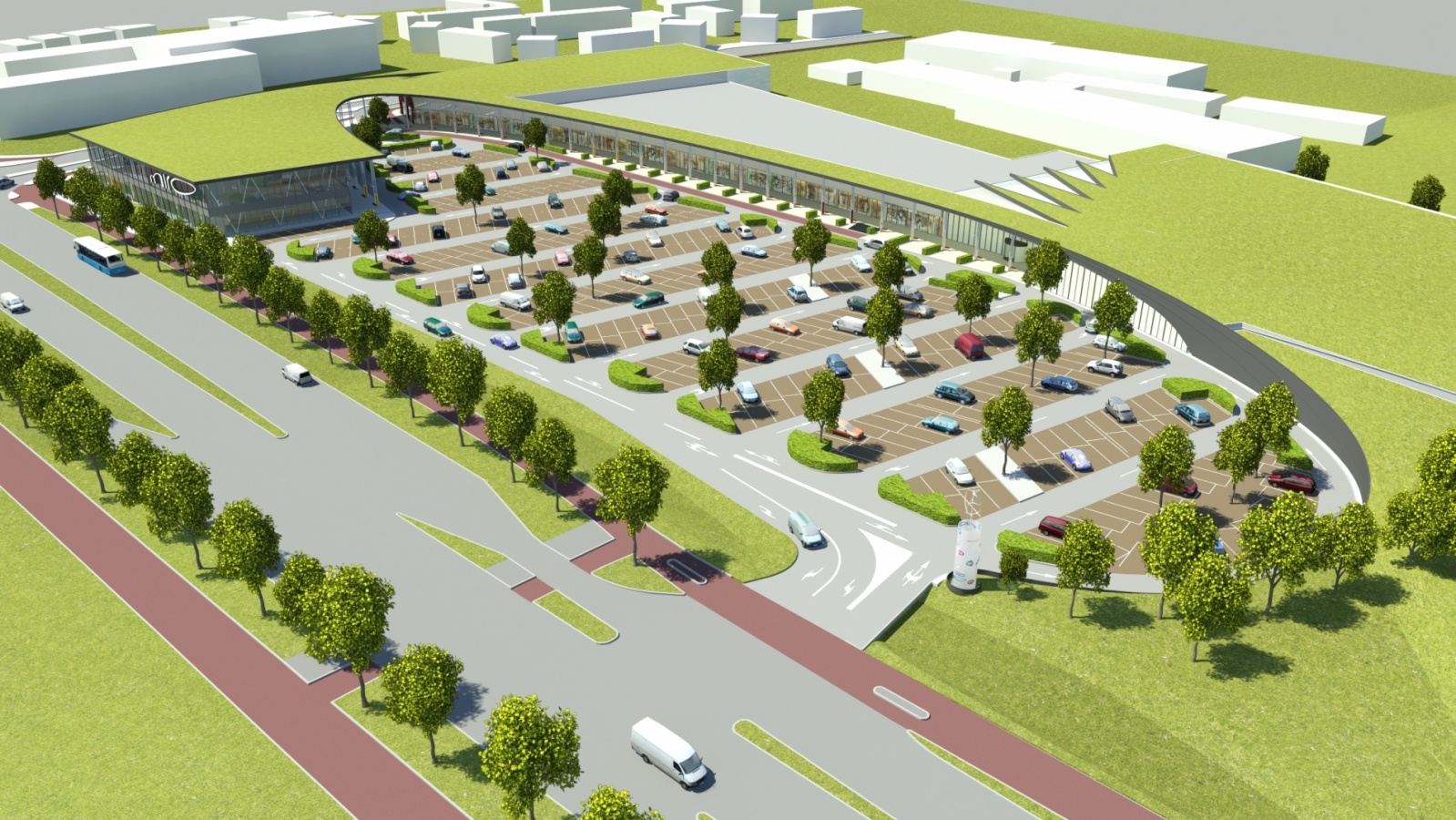
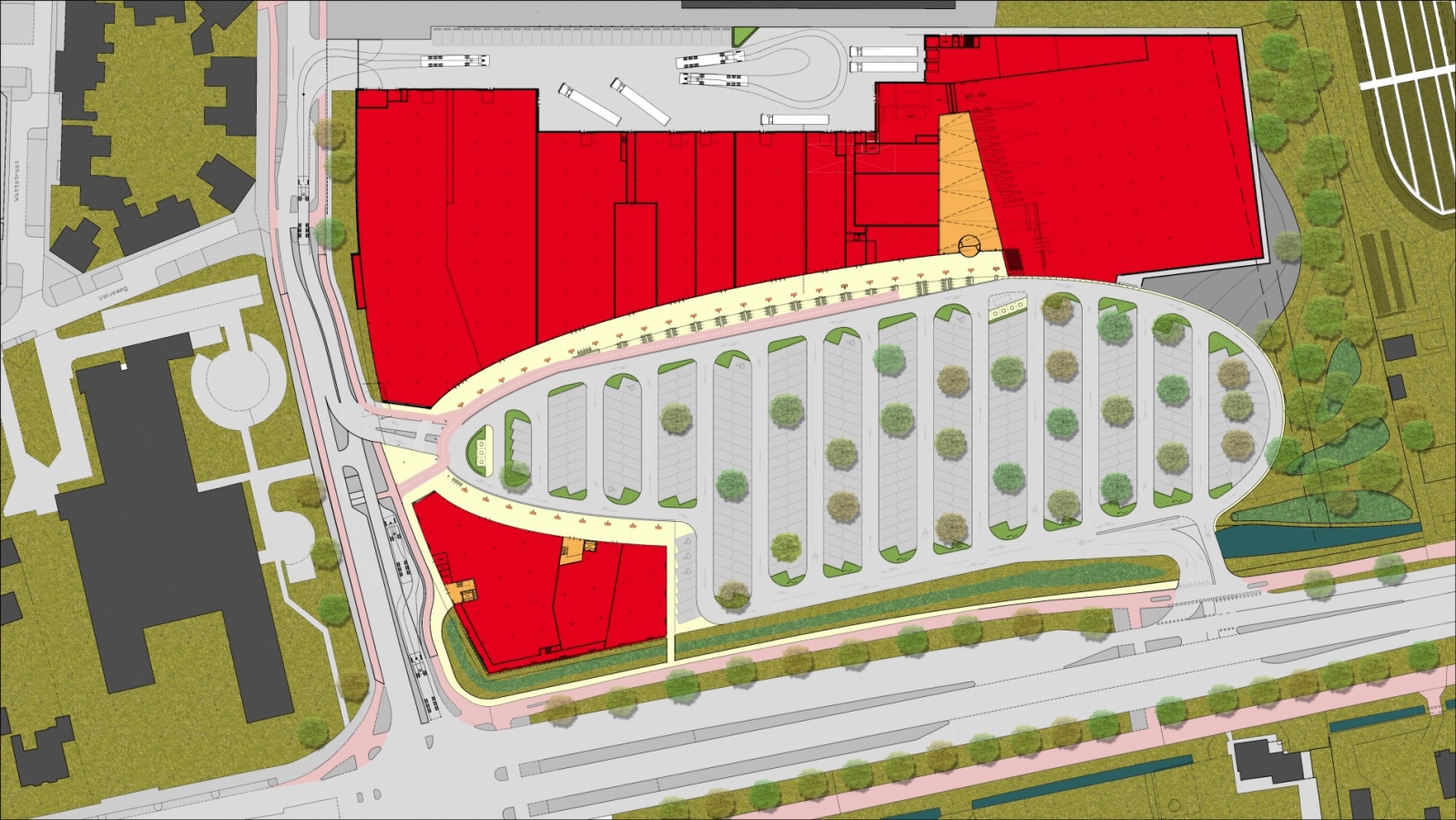
On the east side of Enschedé, on the outskirts of the city center lies the Miro shopping centre. The former mall has gradually been replaced by new buildings and was worn out. The new building has a curved façade and a large canopy. It embraces the public space and the high-quality parking facility. The shopping facade ends on the east side in a shopping arcade, which contains a large supermarket. On the west side the arcade accumulates into a two storey development. Together with public buildings on the other side of the road the building forms a port that marks the transition from the green suburban neighbourhood to the city itself. The complex includes a green roof that connects on the east end to an ecological zone for butterflies and bats.
| Architects | Gerrit-Jan van Rijswijk |
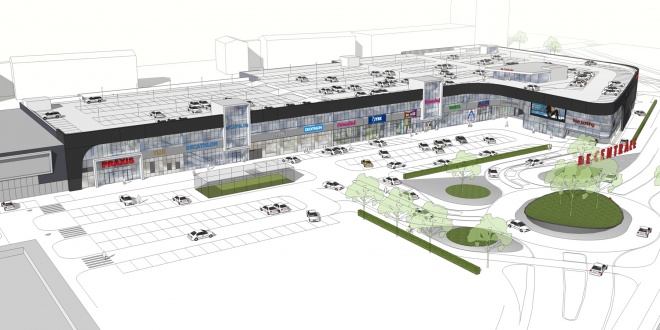
The retail park "De Centrale" takes its name from the power plant (PEB) that was located at this location. With the exception of one Nuon building, everything has been demolished and the location is gradually being transformed into shops. The current retail floor area is over 30.000 m2. This makes De Centrale the regional shopping center of Friesland. The planned expansion of 15.000 m² will further strengthen this regional position. The design has a recognizable shape and brings cohesion between the different buildings, a clear public space and a clear entrance. The advertising is an integral part of the design. In anticipation of this expansion, a new KFC branch has been designed and built on the site (2017).
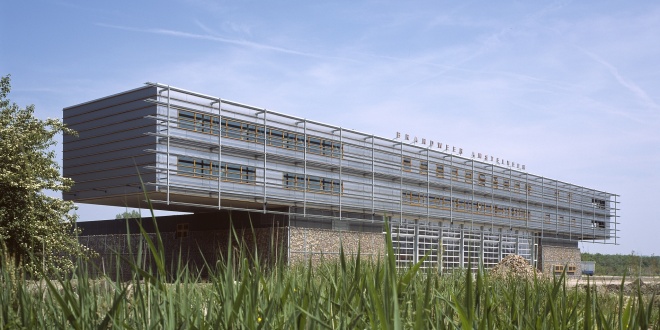
In 2003 a sturdy looking fire station was yielded. The building is located at the entrance of Amstelveen form highway A9 and shows the firetrucks ready for duty. The technical building on top of the rough base is used for offices, sleepingquarters and a gym. VVKH also designede the bridges crossing the water towards the building.
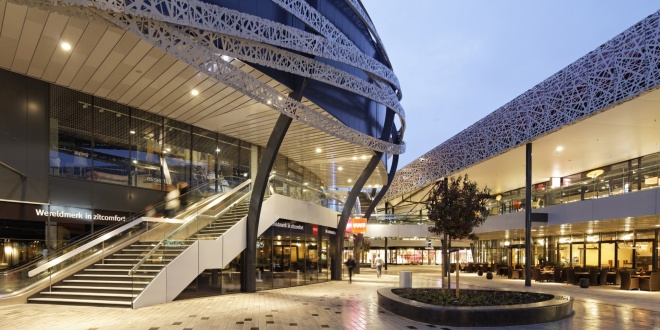
Home and Living Mall Ekkersrijt is located on the north of Eindhoven, directly at the highway A50. In 2013 the existing shopping mall (21.000 sq.mtrs) has been extensively renovated and expanded with 24.000 sqr.mtrs.
New look and feel
The existing building was outdated and made up of separate buildings, with closed unattractive facades and entrances, shop windows only facing the courtyard. Experience and length of stay have been central themes to the renovation and expansion. The new complex has been given a contemporary, modern feel. Old, loose components and constructions are forged into a recognizable, homogeneous unit, which is easily visible from the public road. In addition, a pleasant living environment has been created for visitors. The original stores remained open during this major redevelopment. With intensive consultation and coordination between designer, consultants, tenants and builder the inconvenience during the construction has been limited to a minimum. With this transformation the center has been made future-proof.
Renovation
Existing shops have been given new facades to meet with the requirements of present times and to become one with the extension. Besides facades also the roof has been thoroughly upgraded and installations (among others sprinkler system) have been replaced, modernized. Signing is carefully incorporated and nowhere predominant.
Extension
The new building has a distinctive façade of metal with a specifically, laser cut pattern. Recessed into the façade are the neon signs and the ramps to the parking deck. The movements of the cars on the ramps provides extra dynamism in a natural way.
On the former courtyard a freestanding oval new shop building is made. This building forms the heart of the new home and living mall and is, due to its special design, an icon to the highway and nearby. From the parking deck visitors reach the heart through walkways and they go with elevators and escalators to the open and indoor malls on the lower levels of the complex. Shops on the upper floors thereby have the same run as on the ground floor. Because of the oval building shopping at ground level has a pleasant scale with shops on both sides.
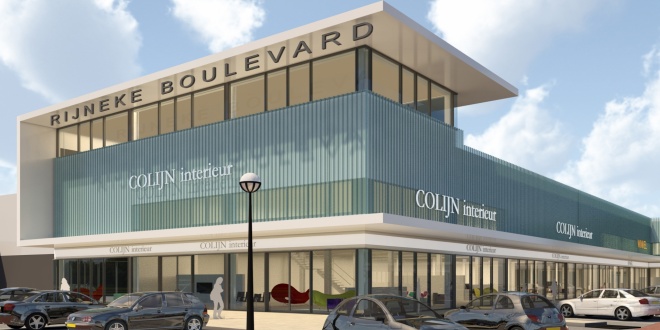
The Rijneke Boulevard in Zoeterwoude is a busy shopping area with a dated appearance. The complex has its back to the Rijn. We have developed a vision to renovate and expand the boulevard in stages. The Rijn is also more involved in the shopping area by creating harbors.
The first phase starts on the west side of the complex. In this phase, the first building has already been renovated (completed in 2016) and the expansion of 6,000 m2 of retail space started in January 2018. The shopping area is organized around the old harbor of the Heineken factory, where the hops used to be unloaded.