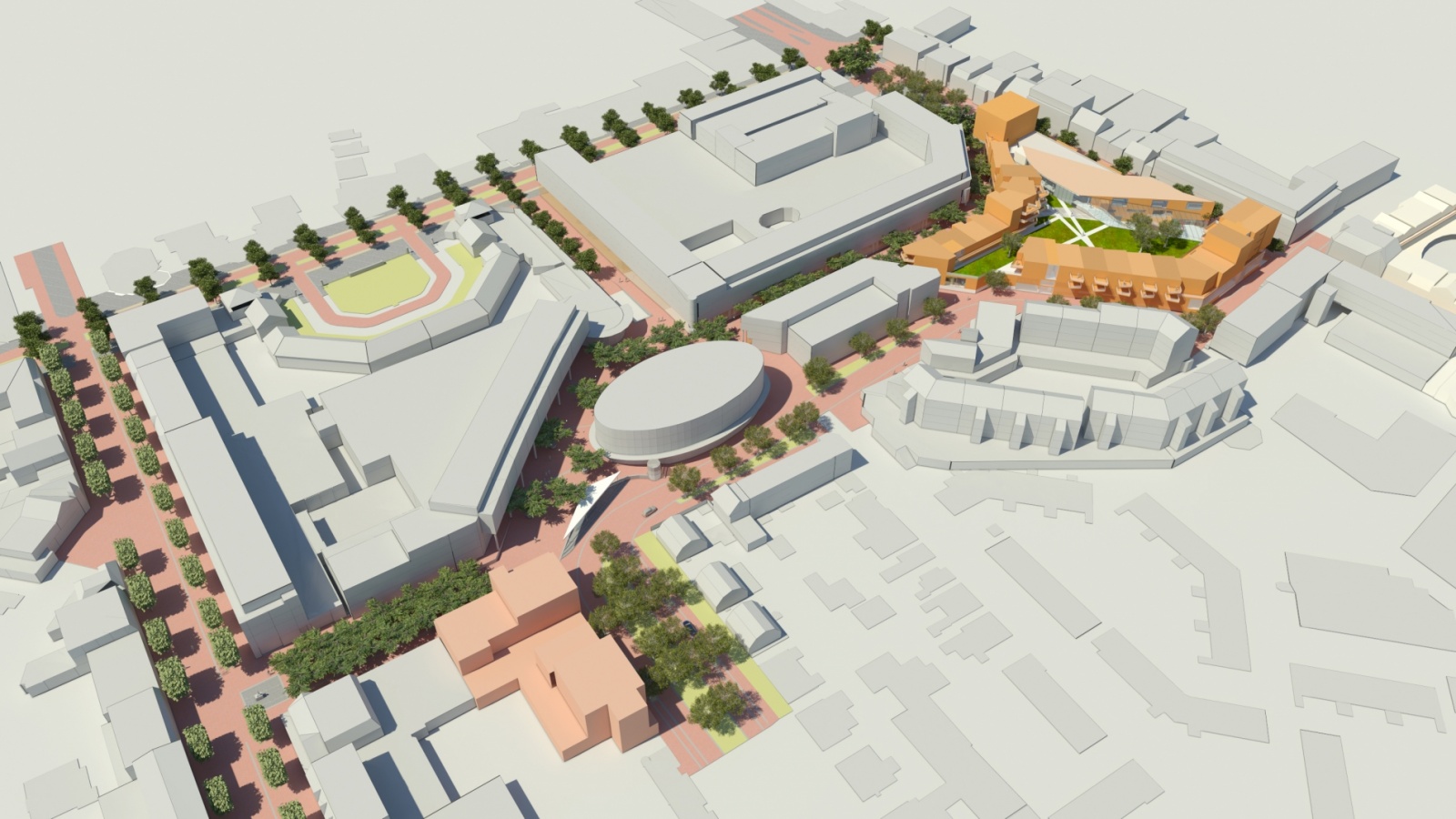
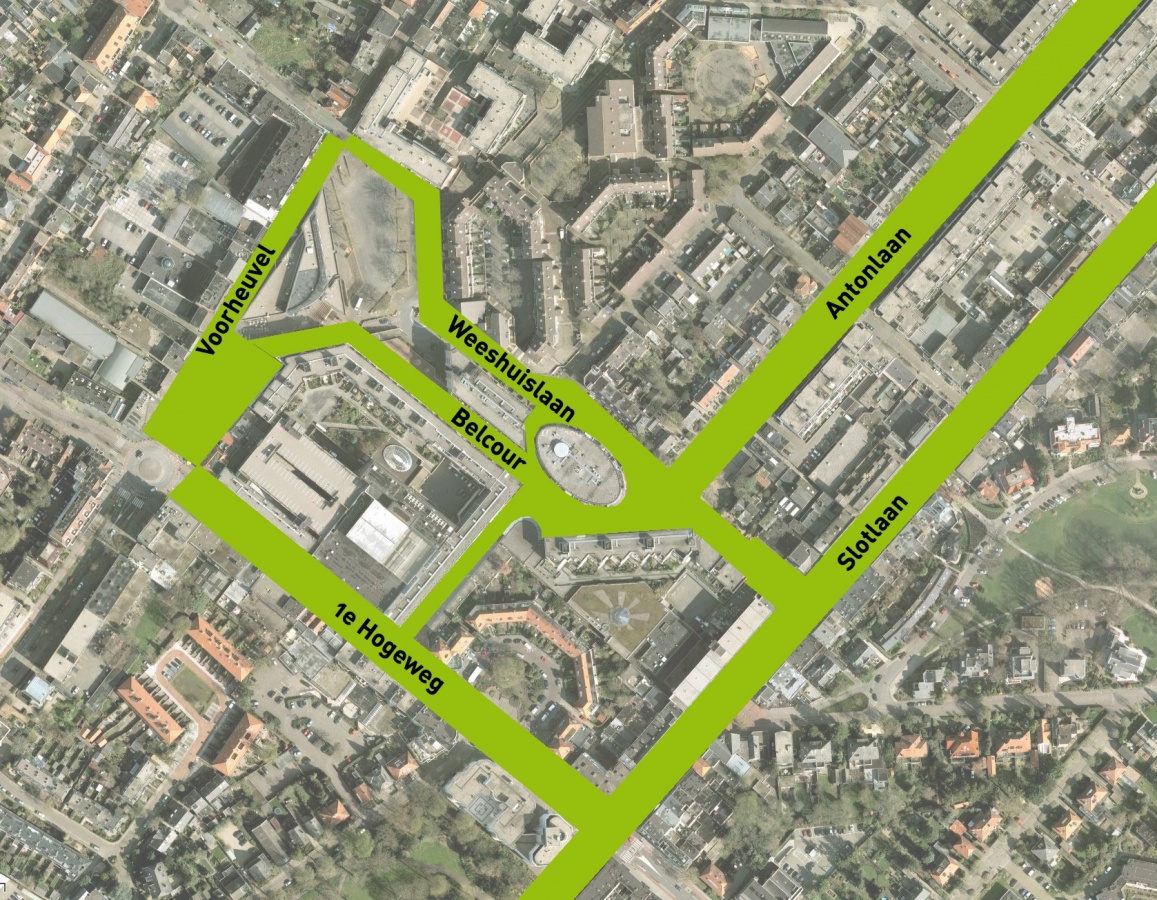
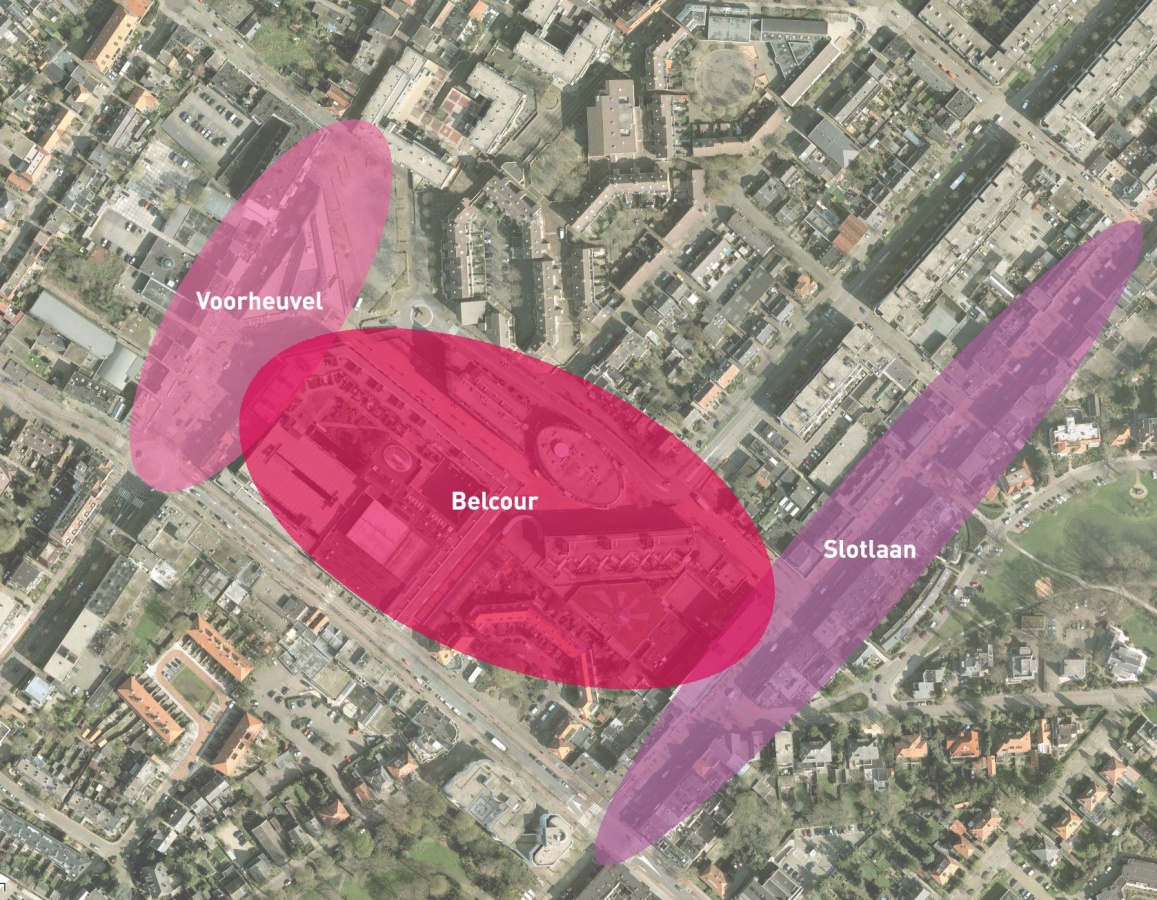
The urban plan for the city-centre of Zeist provides for necessary architectural interventions, but is mainly concerned with the quality of public space. Identified characteristics of Zeist have been projected on the city centre. By doing this the centre will be much greener and facades will be restored to what they used to look like. The urban plan defines three different shoppingzones, each with their own atmosphere and type of shops. By banning cars a continuous and compact shopping area with pleasant pedestrian streets emerges.
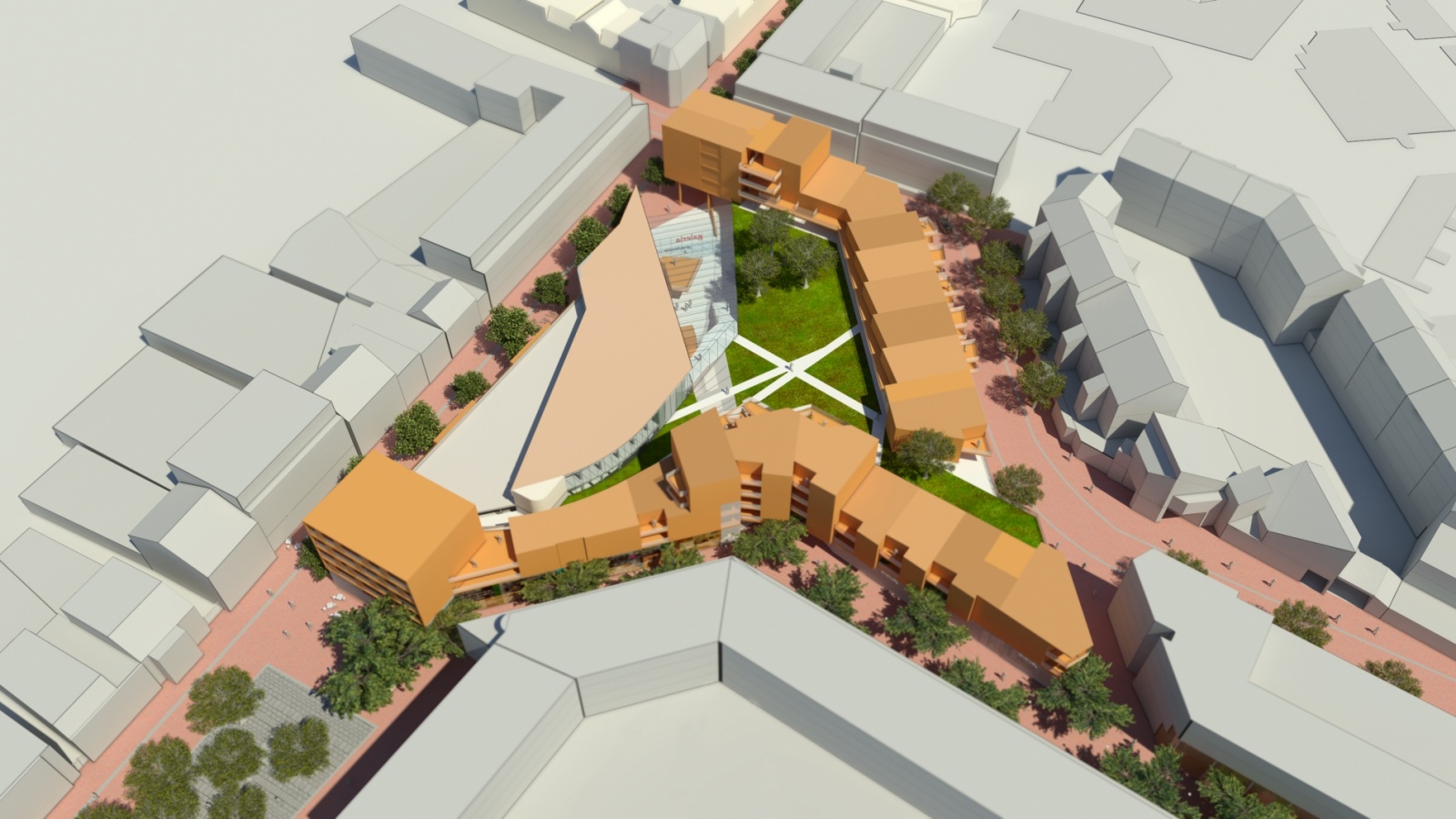
A big part of the urban plan is the redevelopment of the library. VVKH aims to reuse the building as much as possible. The building is less than 30 years old and apart from the closed facades it functions well. In the new design we make shoppingfacades on the ground floor, moving the library to a new part of the building. On top we planned 58 apartments with a shared garden. Reuse of the existing building may demand an extra effort, but offers a very sustainable sollution and saves on investments.
| Architects | Gerrit-Jan van Rijswijk |
| Employees | Tijmen Versluis |
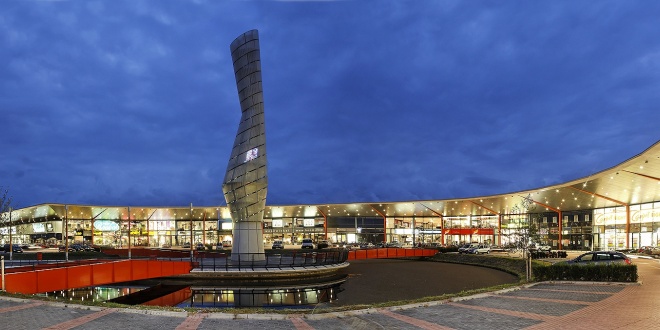
Cruquius Plaza, near Hoofddorp, municipality of Haarlemmermeer is the result of a competition that was organized in 1999 on behalf of the municipality of Haarlemmermeer to boost shopping in Cruquius. The competition was won by ING Vastgoed and VVKH. The existing residential boulevard has been completely renovated and adapted to the requirements of today. In addition, 30,000 m2 of retail space and 25,000 m2 of industrial space have been added. A flexible building, particularly with regard to the shops, and a water feature with a square at the shop entrances have been realized at the location. The cantilevered awning offers provides shelter for a pleasant shopping climate. The supply takes place from two expedition entrances on the company side. Via the internally located expedition corridors on the ground floor and first floor, the shops can be supplied freely from the shoppers. The 30-meter-high Cruquius Tower, the luminous center of the square, is a clear landmark of the residential boulevard.
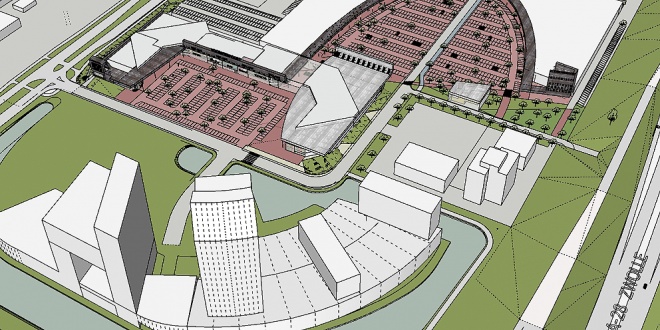
Woonboulevard Voorsterpoort in Zwolle is a well-running residential boulevard near the exit of the A28 motorway. Market research shows that there is room for expansion with more than 30,000 m² GFA for large-scale retail. Plots are available for expansion behind the existing boulevard. In our vision, the expansion will be realized around an oval square with parking at ground level. All shops are visible from anywhere on the square. Landmarks will be realized at the ends. The extension will be connected to the existing boulevard through a gate. The existing boulevard will be renovated, so that the shopping center will eventually again present itself as a cohesive complex. The plan can be realized in phases.
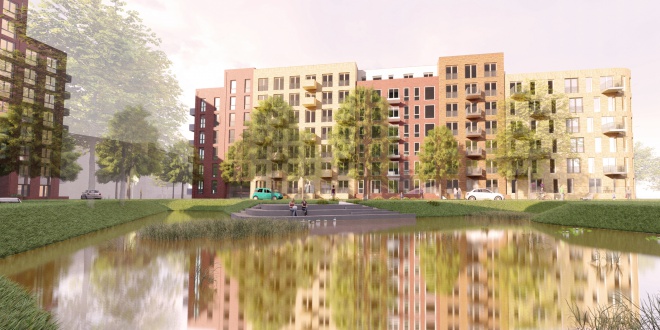
The Kanaalpark is an office area along the Vliet on the south side of Leiden. Here, two apartment buildings are being built for starters.
Many offices in this area have long been vacant and the area looks messy and dated. The municipality of Leiden has challenged developers to take the initiative to transform the site into a high-quality living-work area. That glove is being picked up. Some offices are being converted into apartments, others are being demolished and replaced by residential buildings. Viable office owners are making a quality improvement. The municipality has drawn up an ambitious plan for the redesign of the public space.
Commissioned by the Leidse Vastgoed Maatschappij we have designed two apartment buildings for starters on the labor market. Block 1 with 88 apartments is being built on the site of an old office building. Block 2 with 41 apartments will be built on an existing parking lot. The buildings have been carefully integrated into the urban design and complete the structure of closed building blocks. Height accents are determined in conjunction with the environment. The blocks are architecturally parceled, in line with the already completed housing construction.
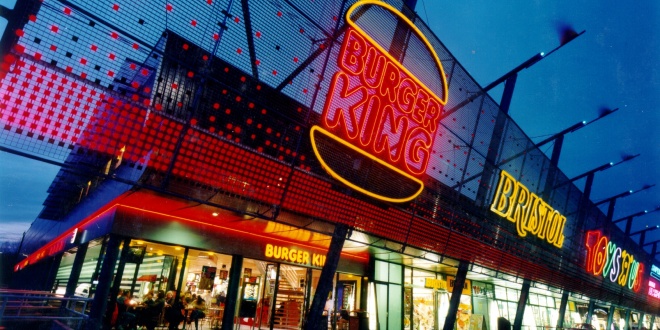
Alexandrium is made of 35.000m² megastores and 65.000m² home and living mall. The assignment was approved after winning the architectural competition and was build in two fases. Important aspect for winning te competition was the incorporation of the existing polderhuis, which seems to be placed in a window of the new mall.