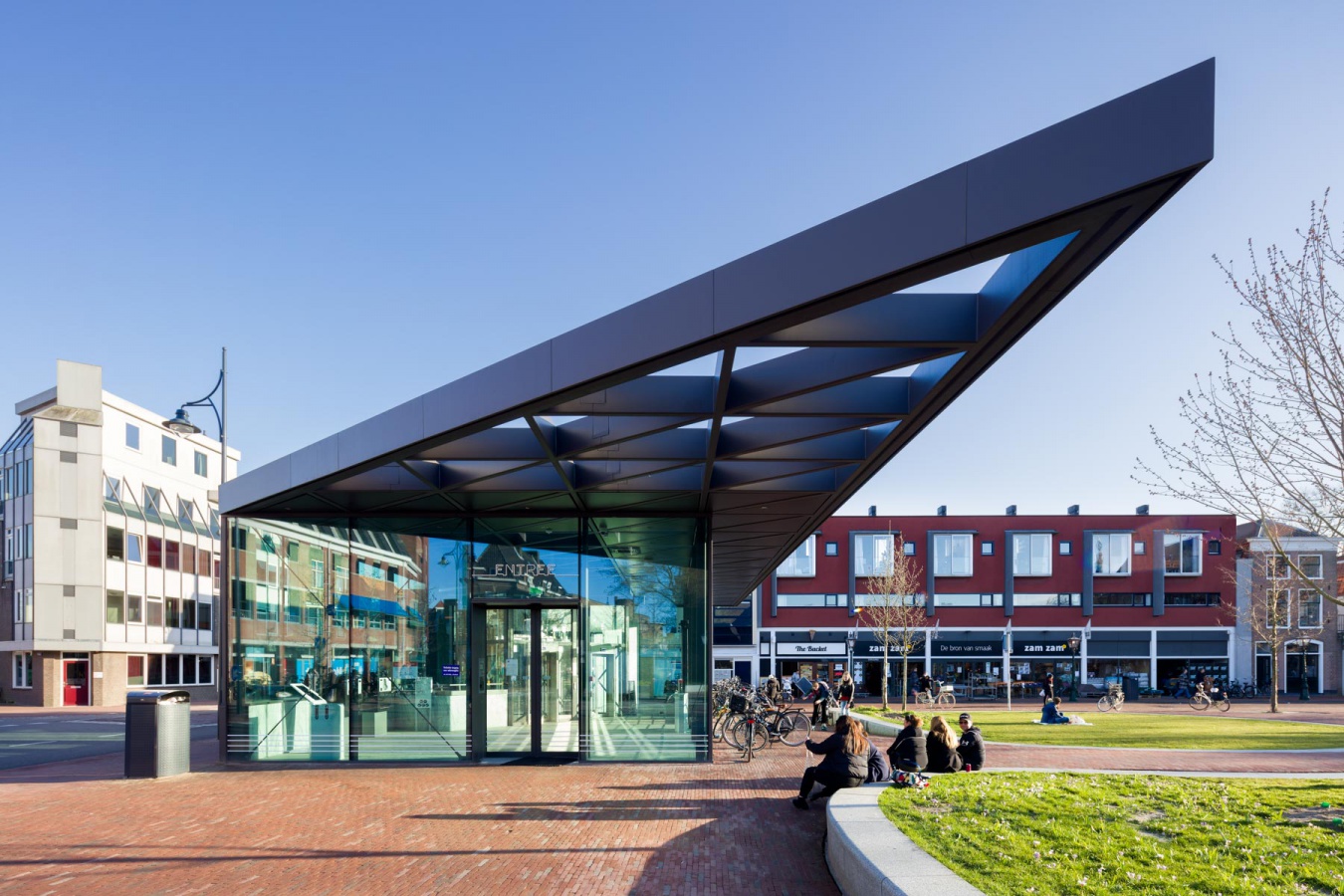
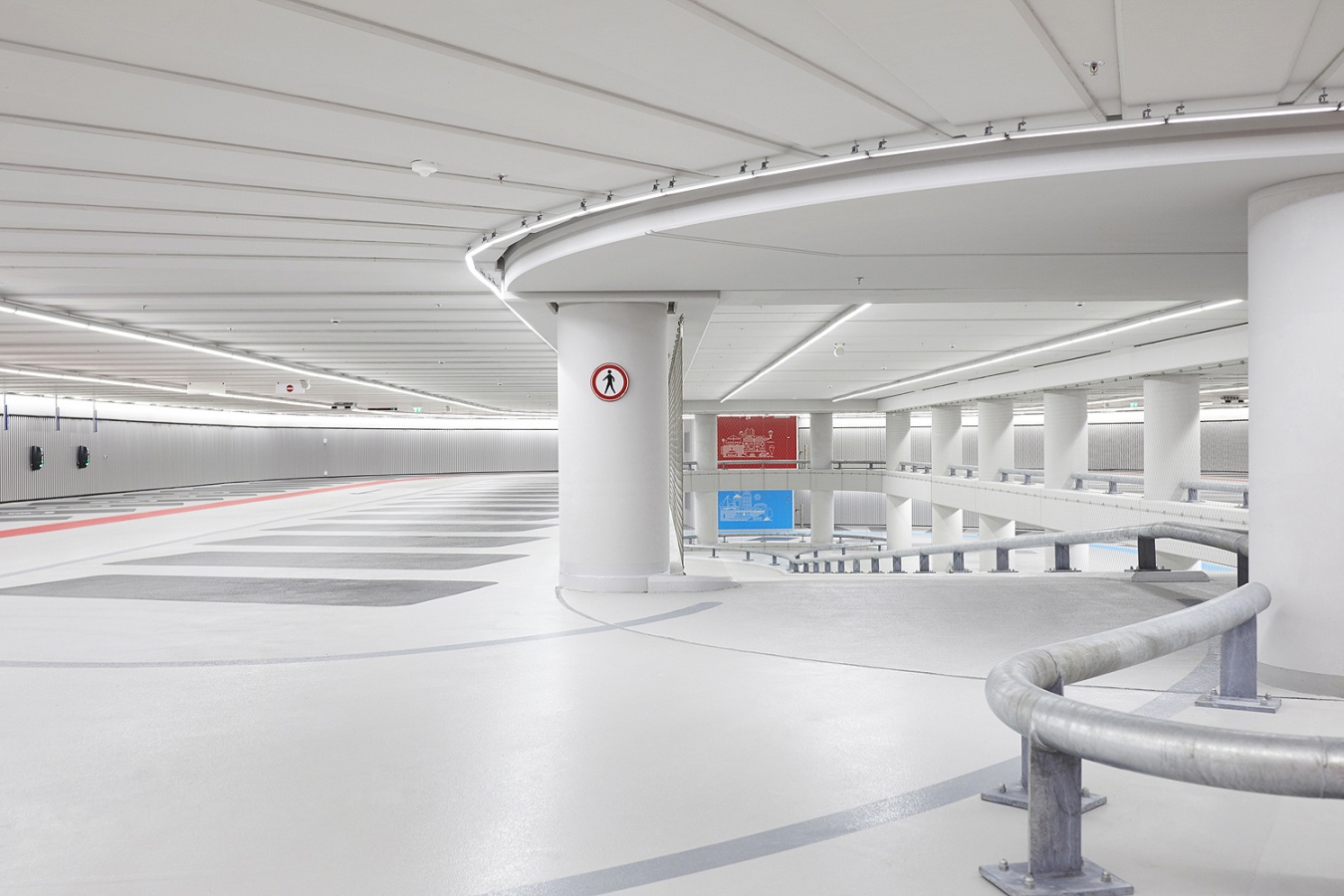
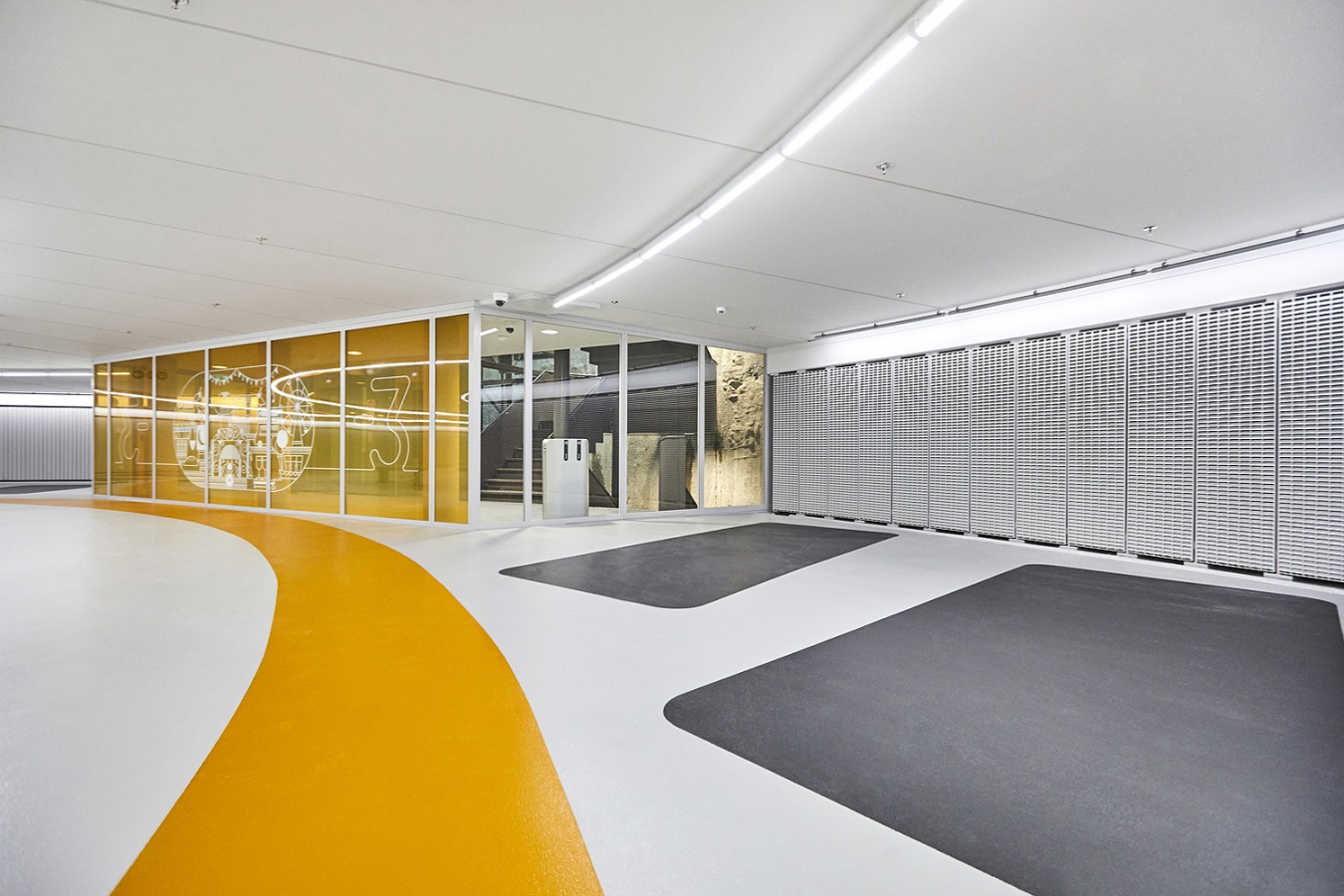
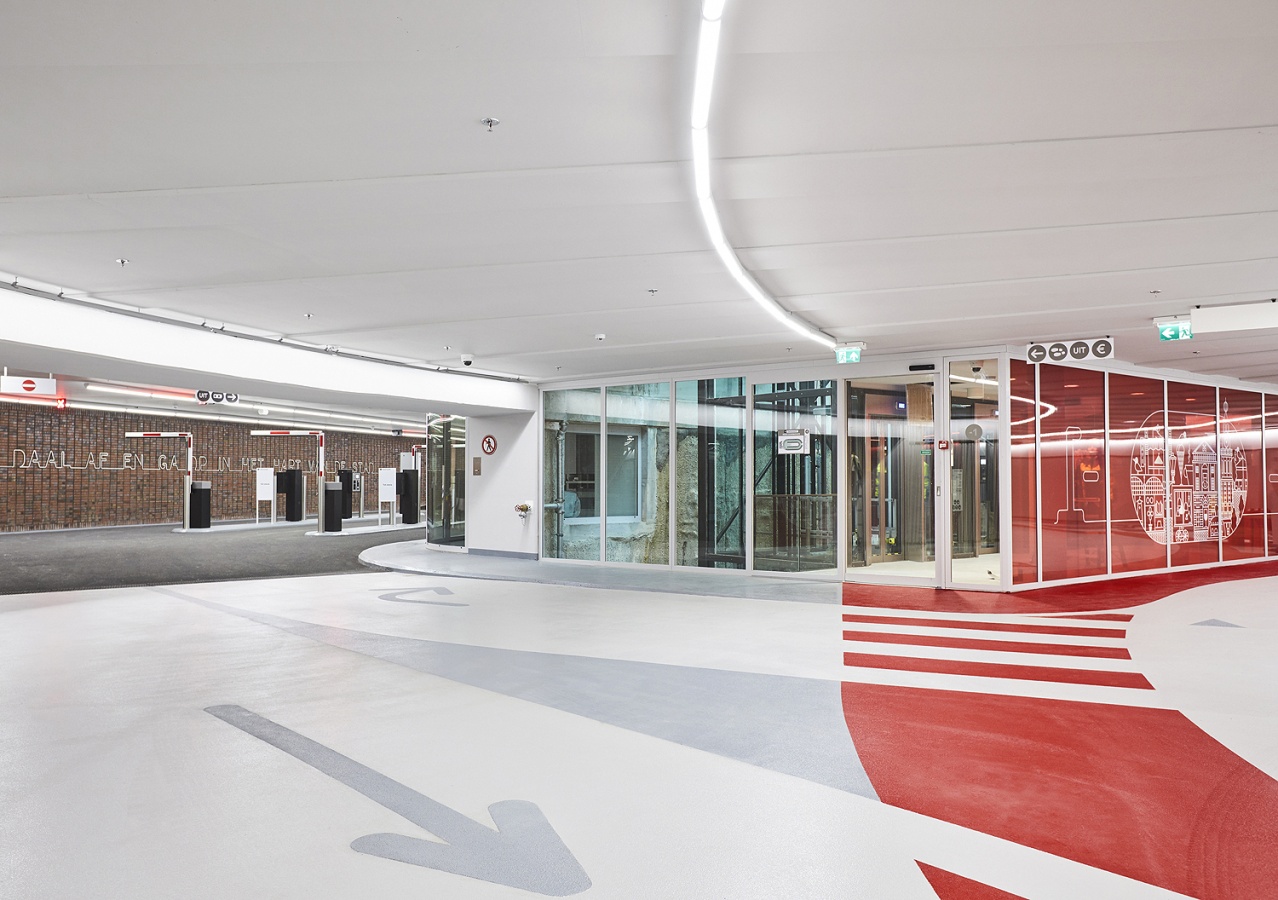
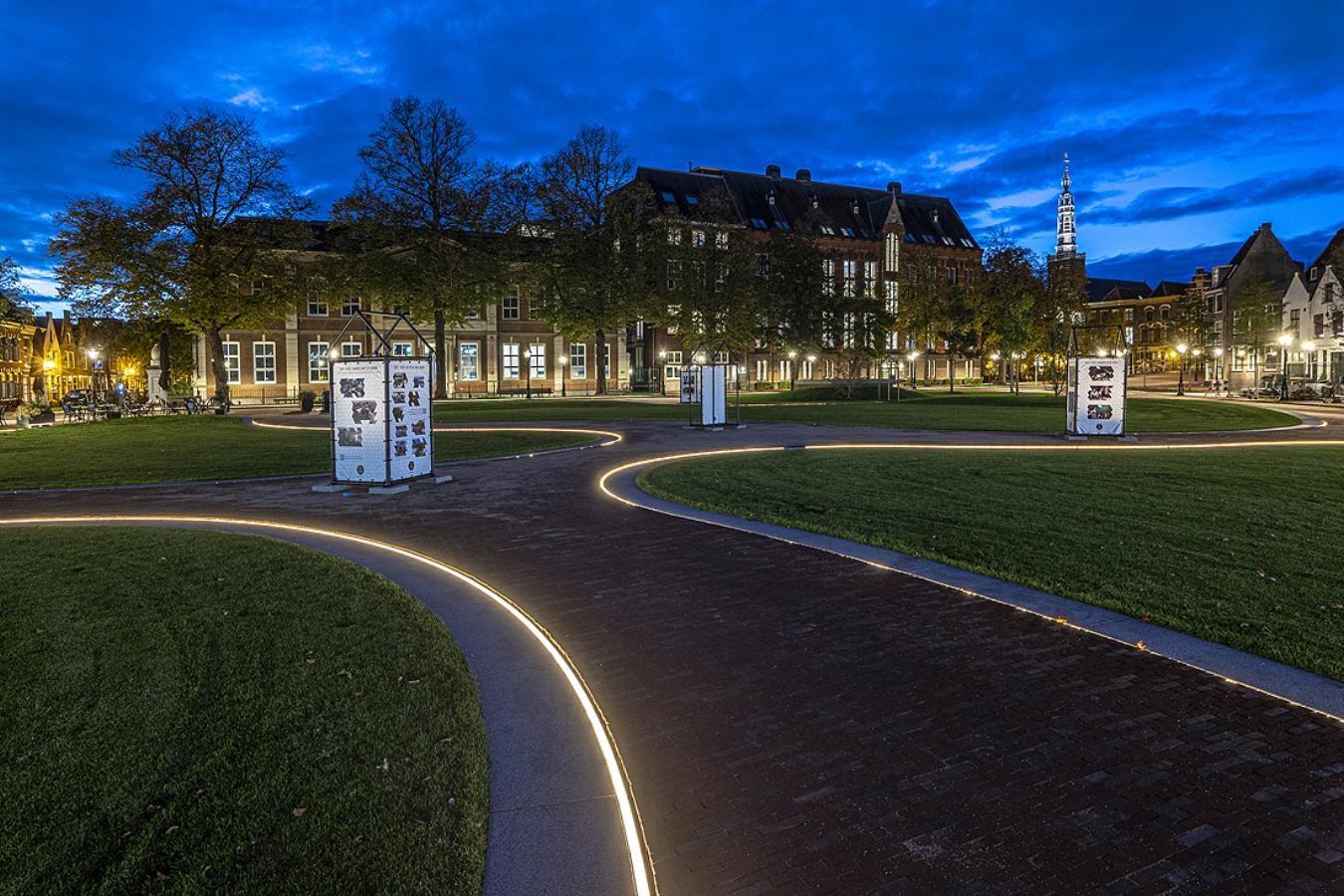
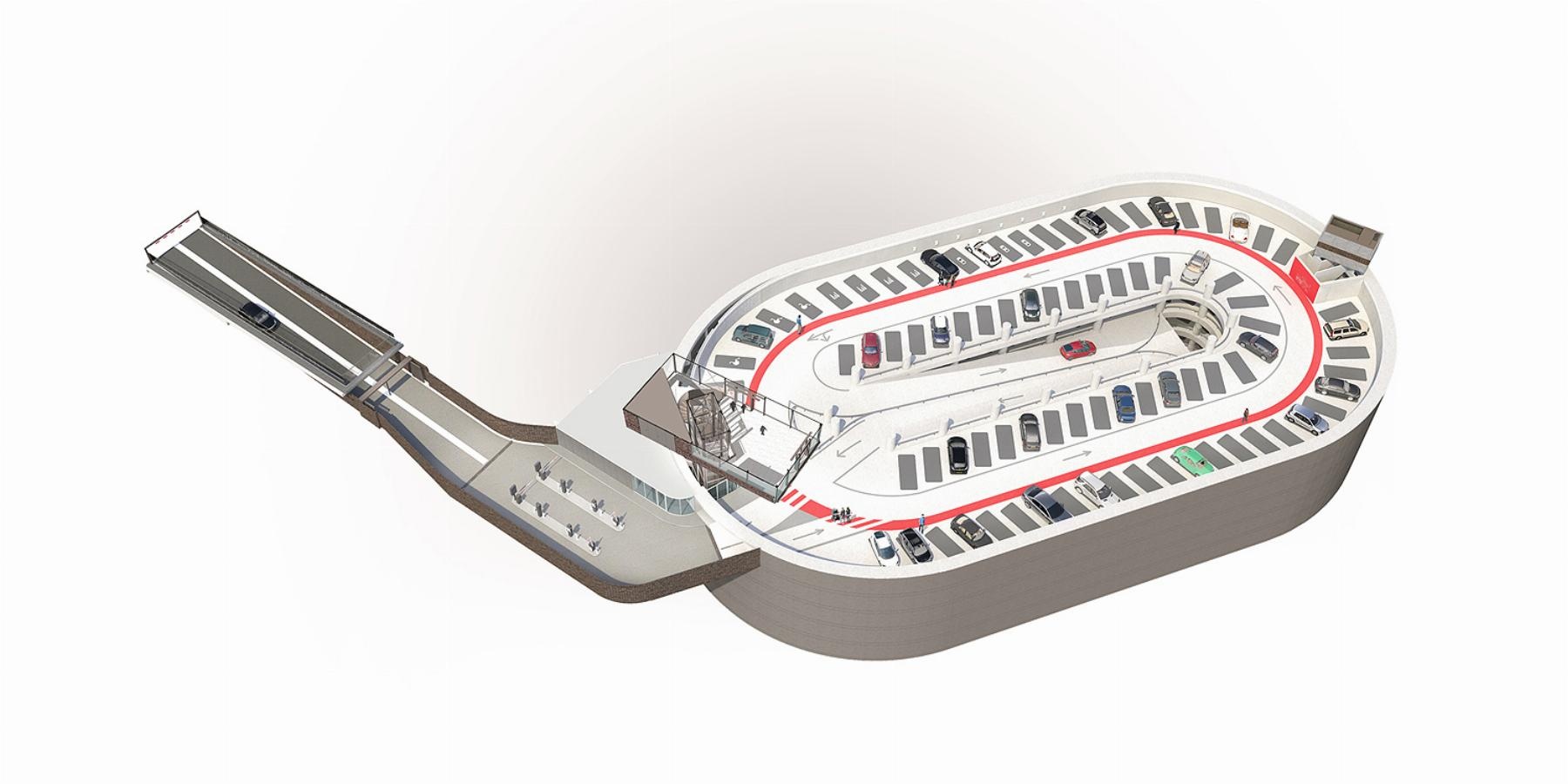
The team with VVKH Architects, Dura Vermeer and Besix has been selected for the design and build of a five-story underground parkinggarage in the historical center of Leiden.
| Status | design 2013 |
| Architects | Ronald Knappers, Thomas Gillet |
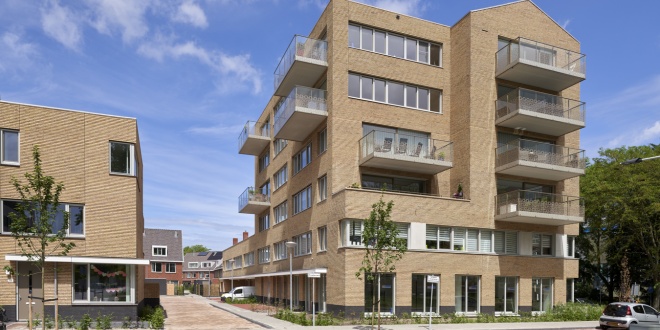
In cooperation with Smits bouwbedrijf, VVKH has won the european tender to develop a new housingarea in district Dieperhout in Leiden. The project consists of 48 dwellings, 12 apartments and a care facility of 1500m². Start of the constructionwork is planned in may 2015, because thats when a current school will move to a new building and the site will be available.
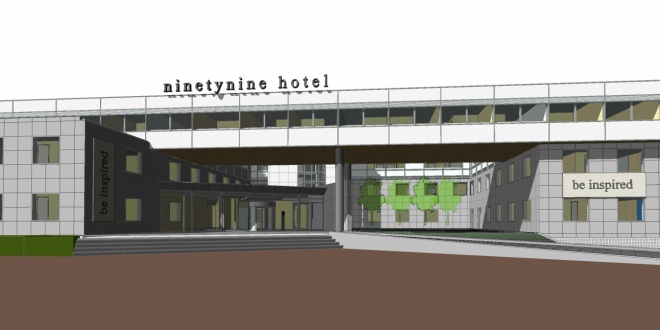
New hotel formula in Hoofddorp
In 2016, we conducted a study on behalf of CTI (Control Towers International) into the possibilities of accommodating a hotel in an existing office building in Hoofddorp. The detached office building with parking garage at the Kruisweg 106 is part of the business park "de Hoek" in Hoofddorp. The building is a stone's throw from Schiphol and Amsterdam and is easily accessible by car and public transport.
We then made the design for the transformation into a hotel with 133 rooms and various facilities, such as a restaurant, bar and lounge.
Based on the study and design, the zoning plan has been adjusted in consultation with the municipality and an interested market party has been contracted: Centro Hotels from Germany. The design was then fully tailored to Centro's wishes. A completely new, trendy hotel formula for the Netherlands will be introduced in the building; the "Ninetynine-hotel Amsterdam", specifically aimed at the younger target group. Vitamin-E has provided the interior design of the Ninetynine formula on behalf of Centro. The new hotel will be a good addition to the current offer in the municipality of Haarlemmermeer.
The demolition work was carried out in 2017, and in November 2018 the transformation of the existing office building into a hotel started.
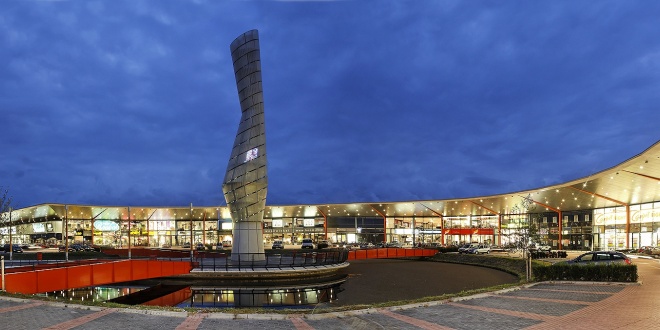
Cruquius Plaza, near Hoofddorp, municipality of Haarlemmermeer is the result of a competition that was organized in 1999 on behalf of the municipality of Haarlemmermeer to boost shopping in Cruquius. The competition was won by ING Vastgoed and VVKH. The existing residential boulevard has been completely renovated and adapted to the requirements of today. In addition, 30,000 m2 of retail space and 25,000 m2 of industrial space have been added. A flexible building, particularly with regard to the shops, and a water feature with a square at the shop entrances have been realized at the location. The cantilevered awning offers provides shelter for a pleasant shopping climate. The supply takes place from two expedition entrances on the company side. Via the internally located expedition corridors on the ground floor and first floor, the shops can be supplied freely from the shoppers. The 30-meter-high Cruquius Tower, the luminous center of the square, is a clear landmark of the residential boulevard.
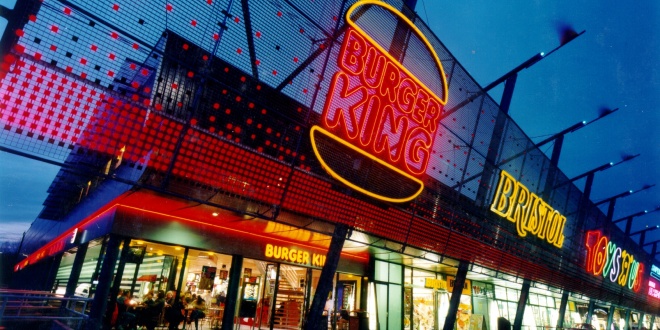
Alexandrium is made of 35.000m² megastores and 65.000m² home and living mall. The assignment was approved after winning the architectural competition and was build in two fases. Important aspect for winning te competition was the incorporation of the existing polderhuis, which seems to be placed in a window of the new mall.